
Choosing Your Revenue Path: Coaching, Speaking & More



Coaching, Speaking, Podcasting, or Digital Products? A Woman’s Guide to the Revenue Pillar
Revenue isn’t one path. Here’s a real breakdown of coaching, speaking, social platforms, podcasting, and owned digital products — and how to know which one actually fits your story.
Pillar Five of the Trauma-to-Profit™ framework — Revenue — gets talked about as if it’s a single destination: you do the inner work of the first four pillars, and then, somehow, “revenue” happens. In practice, Revenue isn’t one path. It’s a set of genuinely different vehicles, each with a different rhythm, a different skill set, and a different relationship to your story. Choosing the wrong one for your personality or your material is one of the most common reasons women burn out before they ever see traction.
I want to walk through the real options in detail — what each one actually asks of you day to day, not just what it promises — so you can match your story to the vehicle that fits it, instead of defaulting to whichever one looks most familiar or most popular.
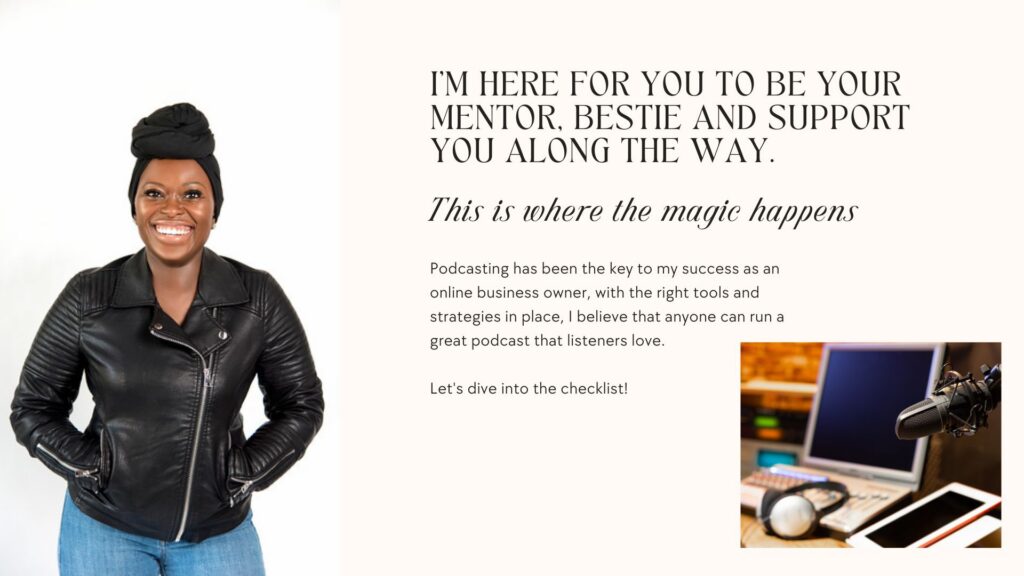
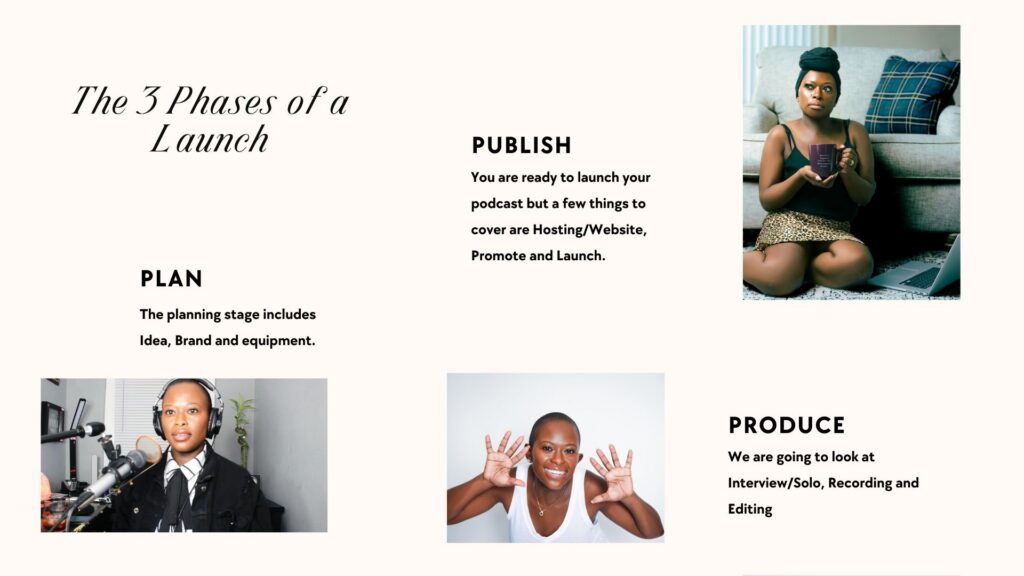
Grab the checklist featured above → Free checklist
Or see all free resources → Free Resources
Coaching and Consulting
Coaching and consulting are close cousins, and the line between them is worth clarifying. Consulting tends to be more directive — you’re brought in to assess a situation and hand over a recommendation or a plan. Coaching tends to be more collaborative — you’re guiding someone through their own process, asking questions as much as giving answers, helping them arrive at their own clarity rather than simply handing them yours.
This path fits women who genuinely enjoy the one-to-one or small-group relationship — who find energy, not depletion, in sustained back-and-forth with the same person over weeks or months. It rewards deep listening, structured frameworks, and comfort holding space for someone else’s process, including the slow, non-linear parts of it. It’s also the most direct, immediate route to meaningful income, because you’re selling concentrated time and attention rather than waiting for an audience to build first.
What it demands in return: your own energy, directly, in real time. Coaching and consulting don’t scale the way content does — every additional client is another set of sessions on your calendar. Women who choose this path need real boundaries around their capacity, or the schedule fills faster than the income justifies.
Speaking Engagements
Speaking is its own distinct animal. It asks you to condense your story and your expertise into a tight, high-impact format — twenty minutes, forty-five minutes, an hour — delivered live, often to a room that doesn’t already know you. Unlike coaching, there’s no ongoing relationship inside the engagement itself; the relationship is with the event organizer and, ideally, with a portion of the audience who follows up afterward.
This path fits women who are energized by performance and live delivery, who can read a room and adjust in real time, and who enjoy the concentrated preparation that goes into building a genuinely strong talk rather than an endless stream of new content. It also requires real infrastructure behind the scenes — a media kit, a clear set of speaking topics, booking logistics, and lead time. I require 90 days’ notice for in-person engagements and 60 for virtual ones, specifically because a strong talk takes real preparation, and rushed speaking rarely represents your story well.
What it demands in return: travel, physical energy, and a tolerance for the unpredictability of live rooms — technical issues, distracted audiences, tight timelines. It also tends to have a longer runway before it produces steady income, since most speakers build a reputation through smaller, sometimes unpaid engagements before landing consistently paid ones.
Social Media Platforms: Facebook, Instagram, TikTok, and YouTube
These four get lumped together constantly, but they behave differently enough to deserve separate mention. Facebook, for the audience I serve, tends to skew toward community and longer, more conversational engagement — it’s where I keep relationship-lane content, because the format supports real discussion in the comments. Instagram rewards visual consistency and shorter-form storytelling, with Stories and Reels functioning almost like a running diary of your platform. TikTok rewards immediacy, personality, and a willingness to be discovered by people who have never heard of you before, often through a single video rather than a following relationship. YouTube is the outlier of the four — closer to owned media than the others, because a YouTube channel functions more like a searchable, evergreen library than a feed that disappears in a day.
Social platforms fit women who enjoy frequent, lower-lift content creation and who want the fastest possible route to new-audience discovery. No other channel on this list can put you in front of a stranger who’s never heard of you as quickly or as cheaply as social media can.
What it demands in return is worth being honest about: these platforms are, functionally, rented land. You are building an audience inside someone else’s ecosystem, subject to algorithm changes, policy shifts, and reach that can fluctuate for reasons entirely outside your control. Analysts who track the creator economy describe this plainly — audiences built entirely on social platforms are considered “rented,” because your ability to reach them depends on the platform’s continued rules and existence, not on a relationship you actually control. That doesn’t mean avoid them. It means treat them as a discovery layer, not as the foundation your entire business stands on.
Podcasting
Podcasting is the medium I know best, and I want to describe honestly what makes it different from the platforms above. It’s a long-form, recurring, voice-based format, and that combination produces a depth of trust that’s genuinely hard to replicate elsewhere. Researchers who study podcast audiences have found that the format fosters an unusually strong sense of intimacy and trust between listener and host, built through repeated exposure and a conversational style that mimics real interpersonal connection rather than one-directional broadcasting. That’s not a marketing claim — it’s a documented pattern in how people actually experience the medium, and it’s part of why podcast audiences tend to convert into paying customers or clients at a higher rate than audiences built on faster, more disposable formats.
This path fits women who are comfortable with sustained, unscripted or lightly-scripted conversation, who don’t need constant visual content to feel like they’re showing up, and who are building toward a long game rather than fast, viral discovery. It rewards consistency over intensity — a weekly or biweekly show, sustained for years, tends to outperform a flashier show that burns out after a few months.
What it demands in return: real production infrastructure — recording, editing, hosting, distribution — and patience. Podcasts typically build audience more slowly than social platforms do, because discovery relies more on search, word of mouth, and platform algorithms that favor established shows. What you get in exchange is a listener relationship with a depth few other channels can match.
A Website and Digital Products
This is the piece that ties everything else together, and it’s the one most women underinvest in relative to how much it actually matters. A website you own — not a social profile, not a podcast host’s built-in page, but a genuine home base with your name on the deed — is where visibility from every other channel eventually needs to lead, because it’s the only piece of this entire list you fully control.
The distinction here matters enough that I want to be direct about it: social platforms, and to a lesser extent podcast host platforms, are rented. A website, paired with an email list, is owned. Industry analysts who study the creator economy describe owned infrastructure as the layer no platform decision can touch — the email list, specifically, is often called the one audience relationship a platform genuinely cannot restrict, throttle, or take away, because it doesn’t depend on anyone else’s algorithm to reach the person on the other end.
Digital products are what a website makes possible at scale: a free PDF, a low-cost E-Book, a mini-course, a workbook, a higher-touch program — each one sold directly, with no platform taking a cut of your relationship with the buyer, no algorithm deciding whether the offer gets seen by someone already primed to say yes. This is exactly the structure behind my own T2P™ product ladder, and it exists specifically because a website and an email list are the only pieces of this whole revenue picture that remain entirely mine, regardless of what any social platform decides to do next.
This path fits women who think in systems and want to build something that compounds over years rather than resets with every algorithm update. What it demands in return: real front-loaded effort — building the site, writing the products, setting up the email sequences — before the payoff arrives. It’s the slowest channel to set up and the most durable once it’s built.
Own vs. Rent: Why the Distinction Changes Your Strategy
I want to name the pattern running underneath all five of these, because it’s the single most useful lens for deciding how to combine them: some of these channels are rented, and some are owned, and a sustainable revenue strategy needs both, used for what each is actually good at.
Social media and, to a real but lesser degree, podcast hosting platforms are rented — they’re extraordinary at discovery, at putting your story in front of people who’ve never encountered it, and genuinely poor as the sole foundation of a business, because the terms can change without your input. Coaching, consulting, and speaking sit somewhere in between — the relationships you build are genuinely yours, but the discovery that leads to them often still runs through rented channels. A website, an email list, and the digital products built on top of them are owned outright. No one can deplatform an email list.
The strongest strategy, for almost every woman I’ve worked with, uses rented channels to get discovered and owned infrastructure to convert that discovery into something lasting. Post on social. Guest on podcasts or host your own. Speak when the opportunity is right. But make sure every one of those touchpoints has a clear, consistent path back to your website and your email list — because that’s the only piece of this entire picture no platform can take away from you.
How to Choose: Matching the Channel to Your Story and Your Life
Rather than asking which channel is “best,” ask which channel actually fits your story and your current season of life. A few honest questions:
- Do you come alive in live, real-time interaction, or do you do your best thinking with time to prepare and revise? The first points toward speaking or coaching; the second points toward writing, podcasting, or building digital products.
- Do you want a fast relationship with a small number of people, or a slower relationship with a large number of people? Coaching and consulting are the former. Podcasting, social media, and digital products are the latter.
- How much unstructured time do you actually have right now? Social platforms and podcasting require frequent, ongoing output. A website and digital product ladder requires a large upfront investment but far less ongoing maintenance once it’s built.
- Does your story lend itself to a single powerful telling, or an ongoing, evolving conversation? A single powerful telling often makes for a strong keynote. An evolving conversation is better suited to a podcast or a content platform.
Most women I’ve worked with end up combining two or three of these, not all five at once. Trying to build a podcast, a speaking career, a coaching practice, and a full digital product suite simultaneously is how promising platforms collapse under their own weight in the first year. Choose one owned foundation — almost always the website and email list — and one or two discovery channels that genuinely fit your personality, and build those well before adding a third.
This Is the Real Work of Pillar Five
Revenue was never meant to be a single formula. It’s a genuine set of choices, and the right combination depends on your story, your personality, and the season of life you’re actually in — not on which channel looks the most impressive from the outside. The FastTrack Premium Accelerator walks women through exactly this decision, pillar by pillar, so that by the time you reach Revenue, you’re not guessing which vehicle to build — you already know, because the earlier work made it clear.
Key Takeaways
- Revenue isn’t one path — coaching, speaking, social media, podcasting, and owned digital products each have a different rhythm and require a different skill set.
- Coaching/consulting and speaking trade your direct time and energy for income; social media, podcasting, and digital products trade upfront building time for more scalable, less time-bound income later.
- Social platforms and podcast host platforms are largely “rented” — powerful for discovery, but subject to algorithm and policy changes outside your control.
- A website and email list are the only fully “owned” infrastructure in this list — the one relationship no platform can throttle, restrict, or take away.
- Most sustainable strategies combine one or two rented discovery channels with one owned foundation, rather than trying to build all five channels at once.
Call to Action
Start With Trauma-to-Profit™ (T2P™)
The five-pillar framework behind everything in this post. The free Introduction PDF launches August 1, 2026, and the complete T2P™ E-Book follows on October 1, 2026. Visit the page now to see the full framework and be notified the moment each one goes live.
Apply the Framework Inside FastTrack
FastTrack is the boutique 90-day podcast launch accelerator built entirely on the T2P™ methodology — 15 seats, three cohorts a year, application only. The waitlist is open now; Cohort 1 applications open February 1, 2027.
Get Personalized Clarity
If you want direct, one-on-one strategy before you commit to a bigger step, book a 60-minute 1:1 Consultation with Sherley — $297, one payment, no packages.
Grab the Podcasting E-Book
“Find Your Voice: The Woman Behind the Mic” is the 10,000-word, step-by-step roadmap for planning, recording, and launching your podcast — $67.
Reserve Your Seat at the Free Webinar
“Story to Show: Launch Your Podcast With Clarity, Strategy, and Confidence” is a live training on turning your story into authority using the T2P™ framework.
Listen to Sherley’s Show
Hear these ideas in conversation across all three formats — the Real Talk Series with Sherley and Kalief, Conversations with Sherley and Kira, and Interviews with guest experts.
Sources
Internal Sources
Trauma-to-Profit™ Framework Overview
Build Authority With Your Story: Trauma-to-Profit™ Explained
External Sources
Owned vs Rented Audience — Memberful
Parasocial Intimacy, Change, and Nostalgia in Podcast Listener Reviews — Media and Communication
Sherley’s Show is learning and growing every single day. We aim to uplift all marginalized voices both on this podcast and in real life. Please note that we are always striving to change the problematic language that society has internalized in us. Thank you for your patience as we aim to strip certain phrases from our vocabulary.
Would you like to be a guest
Are you interested in getting your opinion out about a particular topic but don’t know how to do so? If so, here is an opportunity to do so to share your point of view, PLUS get your message and voice out there. It is always a great way to know about different perspectives and enrich ourselves through knowledge sharing.
Submit your relationship question.
Sherley’s Show provides an atmosphere where every woman is comfortable growing into their best self. Sherley’s Show is a no judgment podcast where we discuss how to rise strong out of all types of obstacles that come with relationships. Through personal life experiences and discussions ranging from infidelity, trust, forgiveness, sex, heartbreak, self love, therapy and more, we offer words of empowerment as you strive to build and maintain all of the relationships in your life. You may be going through something that is unique and difficult. Sharing your story gives others comfort and could also be helping someone else. Let them know they are not alone. Everyone has a story, do not let fear hold you back.
Disclosure: This post contains affiliate links, I will get a commission if you decide to make a purchase through any of my links, at no cost to you. Please read my disclosure for more info.

Want to launch a podcast?
FRee Resource!
Download Sherley’s FREE Bootcamp Podcast Launch Checklist! The no-fluff, step-by-step roadmap for busy women ready to finally launch the podcast they’ve been dreaming about.
At Sherley's Show, we believe that when women feel seen and supported, anything is possible. Whether you're tuning in for inspiration, education, or community—you belong here.



next

say goodbye to being the side chick
When you find yourself really settling with the reality that you are the side chick, when you find yourself tired of the games and/or the complacency, it’s time to ask yourself a few questions.
next

why is therapy important?
Solo therapy, partnered therapy, or group therapy... what exactly are the benefits? If you’re still on the fence about whether or not you should go and if therapy can really do anything for you... this post is for you.
next
CONNECT
elsewhere:
STAY AWHILE AND READ
THE BLOG

BINGE
THE PODCAST
The place where we chat about obstacles that come out of relationships and how to rise up from them. Self-love, marriage, infidelity, sex, heartbreak, and more.

HANG OUT ON

Comments +