
Understanding Cancel Culture and Healthy Boundaries



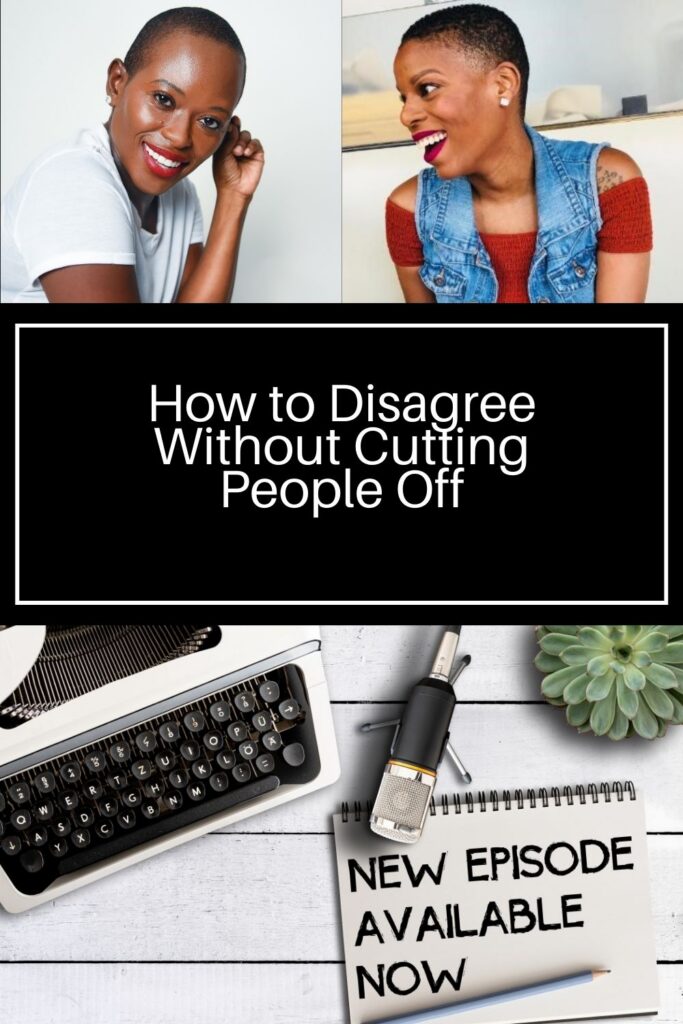
How to Disagree Without Cutting People Off
Cancel culture, boundaries, and healthy conflict
Disagreement is a natural and unavoidable part of any relationship. Whether in friendships, dating, family, or even the workplace, differing opinions are bound to arise. However, in today’s culture, disagreement often leads to something more immediate.
What’s commonly referred to as cancel culture has expanded beyond public figures and into everyday life. It shows up in subtle but impactful ways: ghosting instead of communicating, blocking instead of resolving, and cutting people off without offering clarity.
This shift raises an important question:
When is distance a healthy boundary, and when is it simply avoidance?
Also listen to: Building Strong Partnerships: Real-Life Lessons
Cancel culture in everyday relationships
In modern relationships, cancel culture can look like:
- Ending communication without explanation
- Blocking instead of addressing conflict
- Avoiding uncomfortable or difficult conversations
For many, this approach feels empowering. It can represent reclaiming control, protecting energy, or choosing peace over chaos. And in some situations, stepping away is the healthiest choice.
However, when used as a default response, it can prevent growth, understanding, and meaningful resolution. Not every conflict requires disconnection, and not every uncomfortable moment is a reason to walk away.
Do you owe people an explanation?
When it comes to ending or redefining a relationship, there are generally two perspectives.
Not every exit needs a conversation.
Some relationships fade naturally due to life transitions, changing priorities, or emotional distance. In these cases, there may be no clear conflict, just a gradual shift. For these situations, a formal “closure” conversation may feel unnecessary or forced.
Some situations benefit from clarity.
When a relationship ends due to hurt feelings, miscommunication, or unmet expectations, a simple and respectful conversation can provide closure. It can eliminate confusion, reduce resentment, and offer both people a clearer understanding of what went wrong.
Ultimately, the distinction often comes down to whether the relationship ended because of natural drift or intentional conflict.
Boundaries vs. punishment
Boundaries are often misunderstood. They are not about controlling others or punishing behavior, they are about protecting your own well-being.
Healthy boundaries create structure, clarity, and emotional safety. They define what you are willing to accept and what you are not.
Importantly, boundaries don’t always need to be explicitly stated. In many cases, they are communicated through behavior, such as:
- Creating less access to your time or energy
- Choosing distance in certain relationships
- Adjusting how often or how deeply you engage
This is especially common in more complex dynamics, such as family relationships, where direct conversations may feel difficult or layered with history.
Disagreement vs. disrespect
One of the most important distinctions in any relationship is the difference between disagreement and disrespect.
- Disagreement allows room for conversation, growth, and understanding. It reflects differing perspectives, not necessarily a lack of care or respect.
- Disrespect, on the other hand, often involves dismissiveness, repeated boundary violations, or behavior that undermines your sense of safety and value.
While disagreements can often be worked through, patterns of disrespect may require stronger boundaries, or even distance.
Recognizing this difference is key to deciding whether a relationship can be repaired or needs to be redefined.
Final takeaway
Not everyone is meant to stay in your life. Some relationships are seasonal, while others evolve or naturally fade over time.
At the same time, not every disagreement needs to result in disconnection.
Before choosing to walk away, it can be helpful to pause and ask:
Am I protecting my peace, or avoiding a necessary conversation?
The answer can offer clarity, not only about the relationship itself, but about how you approach conflict, communication, and growth moving forward.
Sherley’s Show is learning and growing every single day. We aim to uplift all marginalized voices both on this podcast and in real life. Please note that we are always striving to change the problematic language that society has internalized in us. Thank you for your patience as we aim to strip certain phrases from our vocabulary.
00:00
This is so interesting because we obviously disagree, right? Yes. And that’s really, really nice because that’s what our whole topic is about. Welcome back to The Sherley Show. I am your host Sherley. Our discussions are going to be ranging from personal life experiences, infidelity, trust, forgiveness, sex, heartbreak, self-love, and so much more. Let’s dive in, pull up a seat, make sure you’re cozy.
00:28
and get ready to be challenged and encouraged while you learn with me, your virtual girlfriend. Welcome back to another episode of Sherley’s Show. And today we are going to be discussing how to disagree without cutting people off, exploring cancel culture versus healthy conflict resolution and why boundaries don’t always mean burning bridges. So here I’m going to pass you the mic to see what our conversation is going to sound like today.
00:58
Thanks Sherley. So obviously we’re going to talk about cancel culture, right? And I think a lot of times people hear cancel culture and automatically like assume celebrities. Celebrities do things that we don’t like or question will they immediately like get canceled. But I realized that it’s showing up more in regular friendships and relationships. ah I think that sometimes people are quick to ghost people.
01:28
or block them, right? And they don’t give the person an opportunity to have a conversation. I think too, like as black women, we’re often told to like keep the peace and just ignore it or whatever, whatever. And I feel like cancel culture or like blocking and ghosting is kind of a way that we feel like we’re reclaiming our voice. It’s like, no, I don’t have to deal with that. I don’t have to accept that.
01:54
but I think it’s important to set boundaries before you just cancel. ah Do you feel that a conversation is always necessary when you exit out of someone’s life? I think every circumstance is different. Very true, very true. Yeah. I will agree with that. um It’s interesting that you use the cancel culture in the friendship term because immediately when I do think of cancel culture, I think of a celebrity being canceled.
02:23
We can definitely think of a few in our minds that has been canceled or potentially, you know, was on the verge of being canceled, whatever the case may be, for things they’ve done in Hollywood. But it’s hard for me to put that into a friend perspective because I’ve had quite a few friends throughout the years. And what I’ve learned is that sometimes there are people that come into your life for a moment.
02:52
for a situation, for a lesson, for something to be visually seen by you. And then once that’s done, then that person is gone and that’s okay. And at first I was like, oh man, you I don’t have some of the same friends I used to have. That’s a bit sad. But then I was like, that’s okay. They’re in my life for a reason. Remember when we talked about the flight attendant friend that I was close to, but we’re not close anymore?
03:21
we didn’t have an exit conversation. The silence just kind of slowly, it started right around COVID and then it just dissipated. And if we see each other, we’ll speak, but it’s not what it used to be anymore. And we never had a conversation here. I think in this context, I feel like cancel culture or like ghosting, it’s usually because something happened.
03:49
not because we’re just growing apart. Like I think there are people who are reason, season, lifetime friends or relationships. But specifically I’m referring to like, if me and you had a disagreement and we didn’t circle back after having a disagreement and we just like stopped talking. I feel like that’s more what you mean by cancel culture and friendships. oh
04:17
If you’re dating someone and you’re not really feeling them, instead of having a conversation with them, you just ghost them.
04:27
So sometimes it’s not conflict, it’s just. I don’t want to talk to you anymore. Yeah. And I feel like people are really quick to just burn bridges without giving people an opportunity to have a conversation. I mean, what do you think about that? Do you think like when you’re dating someone and you’re not really into them that you owe them an explanation? Or do you feel like, well, I just don’t want to talk to them anymore. I’m not going to talk to them anymore.
04:56
Okay. So in the dating perspective, I feel like boundaries should be established in the beginning. Um, a lot of times as adults, we don’t do that or boundaries may be established at the beginning, but something ultimately happens and one person may cross those boundaries. Prime example.
05:17
Why is it so difficult for when you start dating somebody or courtship, whatever term you want to use? Um, I heard not too long ago, dating and courtship is quite different, but I think these things are interchangeable depending on who you’re speaking to. I believe if you are dating and you’re seeing multiple people, you should be honest. you are going on exactly, if you’re going on four dates this week,
05:44
Tell each individual that I am dating. I’m not exclusive to anybody. not exclusive, right? Don’t assume that we’re together. What you do is really not my problem at this point. We’re trying to build a friendship that ultimately eventually turn into a romantic relationship. In that sense, feel like now to answer your question about when you’re dating somebody, should you ghost them or should you block them or not speak to them anymore?
06:15
It, like you said, it’s variable situations. It is. don’t feel like every exit requires a conversation, Kira. That’s so interesting because I feel like you should give someone the opportunity to say their piece or for you to communicate how you feel. think boundaries are really important because they’re healthy, right? I think it sets a standard, a precedence for like what you’re willing to accept, what you’re willing to allow. think…
06:45
boundaries are meant to protect and not punish, right? A boundary I would say for me and a lot of my friends is like, you shouldn’t call me after 10 p.m. unless it’s an emergency. I’m in the bed with my husband by 10 p.m. unless it’s an emergency, please don’t call me, right? That’s a boundary that’s meant to protect my relationship, my marriage, our friendship too, so you don’t get upset if I’m not answering when you’re calling that late.
07:14
So don’t think there’s anything wrong with boundaries. And in the dating sense, I just feel like sometimes giving someone feedback on why you don’t want to date them anymore or why it’s not working out can help them in the long run too. And I think that it’s like healthy conflict, like just having a conversation and being like, hey, listen, I’ve enjoyed our time together, but this is not really for me. Like so simple.
07:41
It is simple. I believe if the person asks for a reason, then it’s justifiable for the other party to explain and the other party should not ignore it, especially in dating. You know, sometimes that tends to happen. One person has no idea why the individuals stopped talking to them. And my question would have been, well, did you try to ask them what’s going on or things not working out?
08:10
It seems like you’re pulling away. feel like you do need to ask someone if there is an underlying issue, but if you don’t ask them, they may never tell you because they may get the sense of, well, you knew you were dating and I was seeing other people. So one plus one is two. You just got to realize that this ain’t working out. That’s how I’m thinking out of in my head. So I do feel like even a friend, you should ask like,
08:35
What’s going on? Why are we not like as tight as we used to anymore? Why are we losing that connection? I’ll be the first to admit, I didn’t ask my friend that question. I just accepted it that we just, you know, growing apart and it is what it is. This is the direction of where our life is taking us. This is so interesting because we obviously disagree, right? Yes. And that’s really, really nice because that’s what our whole topic is about. And I totally get where you’re coming from.
09:05
Now, do you feel like you’ve ever had a time where you felt like you wanted to cut somebody off because of a disagreement or because of like a varying opinion or something like that?
09:17
Because I think, let me just also give some feedback. I think that it’s possible to have disagreements without disrespect. I think when disrespect comes into the picture, we’re in a totally different ballpark at that point. uh I’m just talking about disagreements where you’re not seeing eye to eye, or you guys are not understanding each other, or someone hurt your feelings, these kind of things. Have you had an experience like that? And then you felt like…
09:45
I’m just gonna cut this person off without having any kind of like closure conversation. I’m trying to think have I had that recently, Kira. eh
10:02
To be honest with you, I can’t think of anything. I have to say my friendships are pretty level playing field. Like I’ve never gotten so upset with a friend to say that.
10:18
it led down that path. Like, and let me stop and think about all my friends. Or what about a family member? Oh yeah, my mom, my mom. Right. My mom and I, that’s my mom. I love her and respect her, but I had to set a boundary with her. I had to set a boundary with her and the boundary involved my relationship with Khalif.
10:44
and what was not being respected and it was becoming very toxic. So in that sense, yes, I did have to set a boundary with my mother. And this was even before my brother passed away because when my brother passed away, things change drastically with the family. But before my brother passed away, boundaries, major boundaries had to be set. was constant bump heads when she was around Kaleef.
11:13
things weren’t being respected and I had to make a decision of, it my present family? How do I respect my man and my mom? And I realized I had to keep my distance from my mother because as my father used to always say when I was younger, he gave me some really good little pieces of nuggets. He said, Sherley, your mother and I will be fine when you get older. In the Bible, states, you know,
11:43
not me going word for word because I’m not quoting scripture because I don’t read it like that. But he basically said focus on your family because that’s what the Bible says. Focus on your family. So in a nutshell, you leave your mother and father and then you have a new family and you have a family. And that’s basically what I did. I focused on my family and I took that little piece of nugget that he shared with me and I had to set a boundary with my mom and because things weren’t being respected in the relationship.
12:13
Now you’re saying you set a boundary with her. Like, how did you navigate that? Did you have a conversation with her or did you just say like, I’m just not going to speak to her anymore? Like, how did you navigate that situation? No, I did have a conversation with her. Conversations are rough with her, but the conversation, it wasn’t necessarily, I will say this. it was, it wasn’t direct to the point where mom
12:40
It wasn’t like it, most people would think it went like this, mom, know, so that I can respect my man and respect you, I’m going to be setting certain boundaries in the relationship and this is what it’s going to be. That’s not how it started. It started with me. I think it was easy for me because her and I weren’t always close. So once the kids started to get older, when the kids were younger, they were over the house a lot more, especially when my brother was living in the house.
13:08
Once my brother moved out and the kids started to get older and things started to shift a little bit, the kids stopped going over there so often. So that boundary started with the kids not being there as often as they used to because they, their lives were changing. They were getting involved in sports and we just couldn’t go there all the time. And then it transitioned to me just not, that’s the reason why I just stopped going over there. So her and I weren’t always close. it wasn’t,
13:38
It wasn’t really a conversation. I still talk to her, but I never verbally said, mom, I’m setting a boundary. It was just more a distance myself because I use the kids as the pillar. Okay, well now they can’t go over there all the time anymore. So there’s no reason for me to go in over there all the time because we were never close. I was only really going over there for the sake of the kids. So that’s how the distance started.
14:03
We used to try to do like family dinners on a monthly basis, but that failed miserably because when we tried that, it would be an argument at the dinners, some type of dispute or disagreement. So we X that out and we just, it was just a natural distance. So I guess it wasn’t the conversation that you’re thinking of. Right. So it just kind of naturally progressed because of circumstances. And then
14:33
she didn’t come back and ask like, hey, where have you been? Why aren’t you guys coming over? Da da da da. We, so that it’s so convoluted. My mom’s a bit of a hoarder. Okay. So it’s not like we never went over there to sit down and chill. We went over there really for the purpose of the kids and the visits were always quick. Got it. So once the kids started to scale back, we also scale back.
15:00
Okay, got it. That’s what happened. Okay, I’m tracking on that. So we definitely can see how this is a example of how like circumstances just kind of allowed it to dissipate. Yes. Without having like a conversation, but I feel like you did set a boundary and she didn’t come back and kind of push against it. No, she would make comments though. My mom is Haitian. She Haitian foreign.
15:30
foreign woman, she would make comments. Well, you never come over here. You never did. Like she would make some slick comments and I would say less. It’s all like passive aggressive, like very indirect instead of just asking like, well, why don’t you come over? Nope. And even we, my brother and I, we would make little in the windows. Like, you know, you could straighten this up around here a little bit. uh Don’t touch that. So y’all are both essentially kind of doing the same thing.
16:00
We were, yes, we definitely were. Do you think that it’s possible to say like, like, mom, I love you, but I don’t want to be over here because the house looks like this. Do you think that you felt you feel free enough to say that to her if you actually wanted to kind of reestablish the relationship or do you just feel like you’re satisfied and content with how it is right now? That’s a difficult question to
16:29
answer in the relationship of my mother because so I came here when I was four and a half. Sorry, hon. Bless. I came here when I was four and a half. I never had a close relationship with my mother. So I was born in Port-au-Prince, Haiti. Came here when I was four and a half at four and a half. I was actually almost five. I came here in August of 88, 845, 8667. I came here in August of 87.
16:56
And then in March of 88, I turned five. So I was really around the corner from being five years old. And I’m just now meeting the woman that everyone is saying is my mother. Got it. So the relationship was already strained from there. The first year from information I got from my grandma, my aunties, and plus vividly of small little things I remember, it was hard on her and me.
17:23
I didn’t want to accept her as my mom because I wanted to go back home. I wanted to go back to my grandma, my grandpa, my aunts. That’s who I knew. That’s who I established a relationship with. That’s why the first definitely, I’m going to say four years of a child’s life, it’s crucial about who they’re around. Can adjustments be made? Can adaptations still happen? Yes. But it is crucial who you spend the first four years of your life with. In my situation, it was.
17:50
So the first year was extremely a strain on both of us. My mom would be upset calling her mother, letting her know how upset she was about the situation. So I think in perspective before the kids, Kara, her and I really never had a relationship to really say, like, if I can compare it to my daughter now, my daughter and I now are really close opposite of what.
18:15
I am with my mother and I’m so blessed and thankful and I pray about that every day and it stays the same.
18:24
Because of that, that’s one of the reasons why I think I’d never had any really true desire to establish anything. So I created something because of the kids. wanted the children to know who their grandma is, to be close with their grandma. didn’t want, because of the relationship I have with her, for them not to have a relationship with grandma. But now that the kids are getting older and setting their own life, and that’s how it started, I just didn’t care to pursue anything.
18:54
Yeah, I think that’s all 100 % valid. And I think it’s a really unique situation, not as, um but is common, like more common than you think. even, that was a similar situation with my mother because when my grandmother had my mom, my mom ends up staying with her grandmother, my grandmother’s mother. oh Because my grandmother was pursuing like an acting Hollywood career.
19:23
And so my mom was being raised by her grandmother. And then when my grandma came back, my mom was like, everyone was calling her auntie. I thought that was my aunt. So I totally understand that like disconnect and not really feeling motivated to try to like salvage or establish a relationship. ah talking about being born in Haiti ah is a really good.
19:52
thought because now I want to segue into political differences. um Obviously now there’s a lot of talk about immigration in the United States and we don’t have to get too political as far as like what you believe or what you want to share depending on how you feel about that. My question is how do you navigate friendships, relationships with people who have opposing political views? Do you think that
20:22
there is a line that is drawn where it’s a deal breaker or do you feel like you can separate those are their beliefs, but I still love them as a person. can still be friends. That’s interesting that you asked that. So my close circle, I don’t have that issue. The people that I truly am close with, I do not have that issue. If I have to add the only time I really run
20:52
into interesting beliefs with people is flight attendants. Is that work? It’s with flight attendants when they don’t realize my nationality and they will make little comments, especially about Haitians or those from DR when it comes to using the bathroom and making certain comments and not realizing what my ethnicity is and where my background is.
21:19
I’ve learned to say less because you know what our job, how we circulate crew members, I may never see you again. So I really need to ask myself, is this a conversation I need to have with this small minded person at this time in this place, in this situation for an individual that I probably will never see again? And I probably say that with a crew member.
21:41
I care about less because you know how it works in this industry. There are certain crew members you establish a connection with that stays for the longevity of your career here and even outside of it, such as you and myself. And there are crew members that you work with. You don’t care to establish anything. Once this is over, that’s it. If I see you.
22:06
in the airport. Hey, good to see you. That’s it. I don’t care to establish anything with you outside of here. So I do have to make a respectful, psychological, emotional decision at that point. Like, do I get into this with them? Do I let them know? Like, do I share an understanding with them and how it is in the culture and back home and what they’re used to?
22:30
So that’s the only time I’ve established that. I have to say all my close friends, I know what their respectful party is. between the friends and family, even Khalif’s family, they all have mutual respect for the situation. Khalif is my comedian, so he loves cracking jokes because even before the whole immigration thing, he’s quick to be like, act up, I’ma send you back.
22:59
I’m gonna send you back. So I love that. Look who is coming from, you know, and yeah, don’t even think personally, I give him the side eye. Yeah, but he is. What am I gonna say? What am I gonna do? So in respect to that question, it’s only at work and I’ve never allowed it to get to me. Now, it’s interesting because if I was to ask, remember Berlin?
23:24
She used to be based in Philly, but she moved to Miami because she lives in Fort Lauderdale. She does the Haitian flights a lot. I don’t remember her. OK, you may not know her. That would be an interesting question to ask her of how. But you know, Miami is I feel like that’s the foreign base. Yeah, I mean, it’s a whole bunch of foreigners, so she may not even get the same situation that we’re getting in Philly because I’m getting in Texas. Oh, do you get it in Texas as well? Does Texas does?
23:54
Oh, Texas do go to, you’re right, because tomorrow, where am I going? Dallas to Punta, to Punta Cana. Punta Cana is different from Santo Domingo though. Yeah. we do, you have to think we do every single almost every airport in Mexico. Yeah. So you do. Yeah, that’s right. You would get the same thing. South America and you know, all of a lot of the Spanish speaking Portuguese speaking countries. So.
24:24
Yes. I think. And most of the ignorance comes from the white community. It comes from now. Here’s what I’m going to say. I think that, yes, there is a majority of it that comes from white people, but it comes from other people of color, too. Oh, yeah. I think that a lot of people who are not from immigrant families or don’t have any connection to anyone who was an immigrant.
24:54
they have this like status thing where they think that they’re better. ah But I want to circle back to like how I would address it at work. For me, I feel very similar to how you do. Depending on how many more days I have left with this person, how it’s affecting my mood, how it could affect the rest of the trip, I have to be very strategic in like how I respond.
25:21
But I think I 90 % of the time respond. Oh, you respond. See, we’re so different. Yeah, we’re different. And it’s fine. Because I think that I don’t want you to think that I’m OK with you saying that. And I don’t want to be associated with that if someone overhears you. I wrote up someone to professional standards recently for complaining about passengers not speaking English.
25:50
They were complaining. A flight attendant. Like to the point where it was a disrespectful complaint. 100%. And I challenged them and asked them how many languages they speak. And I explained to them, like, you realize speaking English is not a requirement to be in the United States. Speaking English is not a requirement to visit this country. How many languages do you speak? Oh, one. And this person is doing the best that they can. Like, and I always try to say, like, I’m
26:20
I don’t speak Spanish, right? Versus they don’t speak English. Like I try to put it more on me. um But it’s also this whole thing where it’s like, we can disagree without being disrespectful. And when it crosses the line of disrespect, you need to be held accountable because you’re in an industry where you come across people from all walks of life every single day. How dare you get on this airplane and say an earshot of passengers.
26:50
that you’re upset that people don’t speak English. So were literally upset here. Yeah. Yes. And the guy even have the translator on the tablet. How difficult is that for you to write something on the translator and show them? It was I’ve done that a few times. We’ve all done it because that’s what we do. Right. And because we’re human beings and because we care about other people. Right. But the other thing is like I.
27:17
I want people to be held accountable for the things that they say and these kind of microaggressions that happen, especially at work. um So there is a line for me where it’s like, no, I don’t want to cause a whole bunch of waves, right? But at the same time, I want you to know I’m not OK with that. now you can keep your distance from me. We can work professionally. But don’t ever say anything like that in my presence again.
27:45
um And I think it’s hard to do that, especially in a work setting. Now for me, because I am Christian, because I am in the church, right? I think I probably encounter more of the conservative beliefs than you probably do in your circle, right? Not saying that these people are close friends or like people who are in my circle per se, people that I would have in my home, but sometimes I am shocked.
28:13
when I realize that someone is like Republican or supporting like Donald Trump as a Christian. um And it’s hard to navigate and I’m still really learning how to navigate that. And that’s why I really was curious to ask you, like, do you have people that you really vary in belief system with and you have to be around them outside of work, obviously, but it’s like,
28:42
Dang, I didn’t know you were one of those. That’s kind of how I feel. And it’s hard because I can’t understand the connection. I don’t think it’s for us to understand, but I can’t understand a lot of the things.
29:01
Yeah, and it’s this whole thing of like…
29:05
Do I try to understand where you’re coming from? Do I try to ask and have that conversation to be like, oh, I see your perspective. I don’t agree with it, but I understand it now. Or is it one of those things where no matter what you say, it’s never going to change my perspective or how I feel about it. And maybe you’re just someone that I just don’t have in my life because I don’t think we fundamentally agree on morals.
29:34
And so that’s why I wonder when the cancel culture comes in, if I can be like, yeah, like you’re not for me. So. Bye. Okay. So to break it down. Okay. So I respect definitely what you’re saying, even though we see the cancel culture or the block culture, uh, differently, that’s okay. I don’t disagree with what you did, especially with that person.
30:01
If I was to be placed in a situation like that, I would definitely say something to them. um I would definitely verbally say something to them. I don’t know if I would send them to professional standards because I’m one of those people, takes a lot for me to report somebody. And if I’m reporting you, that means what you have done is to the utmost lowest. So.
30:27
I’m going to assume that you made this decision because based on what you were encountering, it was bad. So if I was placed in that situation and you’re absolutely right, I have to be strategic in my decision and all those things, those points that you made are correct because I have to figure out how long is the remainder of the trip? Do we have one leg? Did they make one comment? Is this something that they’re saying over and over and over again? And at that moment,
30:56
Can I just maybe just educate them just to keep the peace, but yet still realize that this is somebody I don’t want to associate with based on the things they keep on saying. And I also have to ask myself, are they saying it because they’re uneducated? They don’t know. They don’t realize what it’s like living outside of the U S because it’s not just Haiti or DR or Mexico, you know,
31:26
Even the UK, it’s a different style of living. So I have to ask myself, have they been immersed or do they have diverse friends? What is the situation that they’re speaking? Why are they speaking like this? Excuse me. Why are they speaking like this? So I definitely think it depends on the situation, right? And it depends on the delivery, how they receive it. Like
31:52
if it’s, if it is an opportunity for you to educate. And sometimes I don’t feel like it, Sherley. Like if I’m being a hundred percent honest, like I’m not Google. I agree. You can literally figure out like so many things by just reading a book or opening up the internet. Absolutely. And also to comment on now, even though on this podcast, we don’t talk about political, but
32:18
based on the context of what we’re discussing, especially when it comes to friendship. And if you realize some individual is leaning towards a particular party than you are, that’s an interesting discussion. I will tell you this. I am very open-minded about everything on the face of this earth. I think you are too. I’m very open-minded. It takes a lot.
32:46
for me to be upset when it comes to the Democratic Party and the Republican Party. Disagreeing is different from being upset. I don’t disagree with a lot of the viewpoints that I’ve heard from the Republican Party. And also to add, I am not 100 % as educated as I should be when it comes to the different parties. So for me to really truly have
33:14
a educated, healthy debate with somebody, I would have to do a lot of research. But just in this moment right now, it takes a lot for me to be upset. I’m not upset. Donald Trump is an individual, as we all know, that’s been around for a long time when he had his show, The Apprentice.
33:38
And even before then when he was in the movie Home Alone, he’s done so many different things. I think we all can agree that he has not been the utmost individual from even back in the day. And that’s one thing we know. Donald Trump has been consistent in being ignorant and disrespectful and nasty and just not a nice individual. And I think we all can agree that. Yeah.
34:06
How I look at it in my mind and how I rationalize it is there are human beings on the face of this earth that really like him. They don’t see it from a political side because a lot of the people who vote for Donald Trump are politically stupid. They didn’t do their research. They don’t know what’s going on, but they like, they like the bad-ass about Donald and that’s what they like. That’s attractive to them.
34:34
And that’s literally, can tell you why a large group of people voted for him because Donald Trump says whatever he wants. He does whatever he wants. He doesn’t care about the end consequences. And if you know, you know, this man is not political at all. He’s not. So if I find out somebody that I associate with closely is an individual that is into the Republic party.
35:02
we would have to have, I wouldn’t cancel them out completely. I would be respectful in having a conversation because I don’t mind speaking to you because I have no problem accepting somebody’s differences because we don’t live in a Sherley world. Everything doesn’t revolve around Sherley. There are certain things that even now I may agree with you and you may not agree with the way I go about handling things. That’s okay. So I’m definitely down in having a conversation with someone.
35:32
We may have different viewpoints and we may just have to set boundaries in what we’re going to discuss, what we’re not going to discuss. If you respect me and my boundaries and what I’m okay with, fine. Maybe there are certain points where we have to.
35:52
trying to think of a situation where could where you could be friends with a Republican and a Democrat, but you know, we’re not going to talk about politics. know, you’re going to respect certain viewpoints about or like, when it comes to the abortion situation where one party believes in something and they don’t, and there are Democrats that also agree that abortion should be, you know, um the other way around, I mean.
36:19
Democrats that agree that you should not have an abortion. it’s interesting discussion to have, Kira, but I would still be respectful with someone of the Republican party. I have to first listen to if what you’re saying making sense and if I can wrap it around my brain and rationalize, okay, is this still a decent human being even though their perspective is different about certain things? I think for me, I try to
36:48
when I feel myself getting hot, because I’m getting annoyed by someone’s… Do you really get annoyed? Some of the stuff I read on social media, some people are like, they go from like 10 to 100. It’s really… It’s heartbreaking. I’m not… You know I’m not on social media. No, I know you’re not. And I know you wouldn’t even comment in such way on social media to like… I’m not like that. In the sense of like…
37:17
I might see a video on TikTok or something at work and I overhear something or somebody says something or um I’m in church or overhear something or someone’s making subliminal comments. And I’m just like, I try to refocus and always look at people through the lens of like, God loves this person the same way he loves me. Right. And we have a difference of opinion.
37:44
Now, the part where I the boundary is if this is someone, for example, at church who is very supportive of policies and things that could be harmful to human beings, not just things that affect me. I think that that for me blurs the lines where it transitions into like…
38:11
a misalignment of values and morals versus just a disagreement about economics and policies. And it’s also to say to your point, like, yeah, I would have to be like super well-versed to know why this is not a good economic policy or why we shouldn’t have tariffs or why da-da-da-da, right? But if you’re okay with things that I think are really harmful to people,
38:41
Versus like I’m a conservative because I’m Christian, but I don’t like the way he’s doing stuff. I could have More like empathy and compassion for that because I understand the belief system as a Christian and like, you know Not wanting abortion or not supporting gay marriage or things like that But that doesn’t for me like I do lean more Democrat, right? Just because I’m I feel like I’m more inclusive about what’s good for everyone versus just what’s good for me
39:09
um And so it’s hard, I think, to navigate that because I get really emotional about it because I just don’t understand how people can just be so self, like with blinders, like, well, this is good for me, so I’m gonna vote for it, and I don’t care if it hurts everybody else. And then I’m noticing now, like, a lot of people are regretting their votes.
39:36
because what they thought wasn’t going to affect them affects them. Another example I have about that is like, you know when we vote on our contracts at work? Yes. I’ll just use reserve as an example. Reserve flight attendants are flight attendants that are basically on standby for flights that get, I guess, kind of fall apart or people call out. Reserve flight attendants step in.
40:02
When we’re voting on the contract, a lot of the senior people who don’t have to serve reserve, maybe don’t look at or consider any of the reserve stipulations, right? They may not look at anything that may affect reserve people because it doesn’t affect them, or they think it won’t affect them. But what ended up happening with this, not this last contract, the contract before, was when they didn’t really look at the reserve system. And then COVID happened.
40:31
And then COVID happened and guess what? Now it affected them. And so because they didn’t care about it, they didn’t vote based on how it affects everyone. They only voted on what would affect them. And then guess what? It turned around and it affected them. So it’s like all that to say, my whole thought process is just like thinking about everyone and like the inclusivity of like how this might affect everyone. it’s challenging to…
40:59
like have conversations or be in spaces with people who don’t think that way and understanding like, it’s okay, Kira, everyone has a different opinion. God loves them all the same. You don’t have to be in spaces with them. You don’t have to invite them into your home. You don’t have to break bread with them, but also maybe you should, maybe you should be showing them the love of God and showing them how it’s okay to disagree. um
41:26
and not cutting them off or not canceling them. But I’m struggling with that. Like that’s something that, you know, I’m working on. Well, that’s good that you’re working on it. I just want to end to say that the Republican Party and the Democratic Party is only hostile now. I grew up in a time where it wasn’t hostile. Same. It wasn’t hostile. It wasn’t. You can be friends with someone of the opposite party and you never thought
41:55
negatively of that individual when it came to policies and rules and how things were going to be handled from a political standpoint. I do believe it has to do with the individual. It’s the wrong person in the job. And that’s the problem. This is the problem that, you know, someone was put into a position that they ultimately just really truly do not qualify at all.
42:22
that he doesn’t qualify for the position. just luck has been on his side because there’s a lot of people on this earth that are not truly educated when it comes to politics. I am one of them. I cannot have a debate with someone who is top tier when it comes to politics because I will lose. will fail miserably. I’m not as educated as I should be. And there’s a lot of people who voted that are not.
42:50
educated and have no idea what’s going on. They just like the fact that this man is such a rebel and that’s what they voted for. They voted for his character, not for the political part of it. So I guess. And also, let me add, a lot of people are against a woman. Oh, yeah. We’re going to end that right there because we know that a lot of people didn’t want a woman president. So that also played a huge role.
43:17
Same thing happened with Hillary Clinton. Yeah. I mean, he won against two women. He won against two women. And I guarantee you that’s the reason. OK. oh I guess to just kind of circle back on all the different topics, right? Because we talked about relationships. We talked about friendships. And you didn’t really have any friendship examples.
43:41
I had a friendship where we fell out. Yeah, we fell out for a long time. we had a… It was one of those things where I did have a conversation. It was just like, this is not working for me. And we fell out. We reconnected several years later, like several years later, and kind of just talked. We didn’t really talk about what happened.
44:08
I think we both were clear on why we stopped being friends. But when we kind of reconnected, it was just kind of like a fresh slate and not saying we’ll ever be as close as we were, but there wasn’t any animosity. wasn’t any, um I don’t know, there just wasn’t any like ill feelings. I like really wish the best for her. Sometimes I wish we were a little bit closer now that we’re kind of adults and living our lives, but.
44:35
I think sometimes cutting people off can feel easier than doing the actual healing. And I think that for me at that time, that’s what I did. Even though I had a conversation, it was just like, I don’t want to deal with this anymore. And it was easier to just end that friendship than to try to repair it and do the healing that I think it required. So. What sparked the reconnection? Would you know what? I don’t remember, Sherley. I feel like.
45:04
So I’m not on social media, but my sisters were still friends with her. And I honestly can’t remember how we reconnected. think, I don’t know if I reached out to her, she reached out to me, but it was something about she was going to be in Austin. And.
45:22
I don’t remember who started it. I don’t know if it was me or if it was her. I really don’t. But all I know is she invited me to go to an event with her in Austin. And I was kind of like, that’ll be awkward. Like we haven’t seen each other in over 15 years. But I was like, I’ll go. We’ll see. Right? And I went. And it was just like, no time had passed. And it was just really chill. And it was just really nice to see her. um
45:51
It felt really good. And I felt like if I was still in that mindset of like, nah, I don’t need to talk to her, you know, I could have missed a really nice opportunity to like reconnect and to heal like that was really healing, I think for both of us. That’s interesting that you say that. So maybe this individual had no rec, no idea that something negative was going on. The fact that 15 years, no, no, Yeah, because we we stopped being friends like we didn’t talk.
46:22
but maybe she just thought like, oh, she’s moving on. Oh, she knew. Yeah, we had a conversation. That’s odd. After 15 years, I know. That’s crazy. After 15 years, and then randomly just invite you somewhere and then like… Yeah, but you have to understand too, like, we have been very close friends and um she knew my family, my family knows her family, and like, everyone was still kind of seeing what everyone was doing on social media. And I actually think…
46:50
I actually think she may have initially reached out. Oh, I know what it was. She reached out to me because she saw that I had had cancer and I was trying to grow my hair back and we were both hairstylists and she was really, we’re both like really into hair care and she had started a business about something. And so basically she wanted to gift me. So she extended the olive branch first. That’s how we reconnected. That makes a little more sense. then after that,
47:17
Yes, okay. It’s coming back. So it was a sickness first and then she was going to be in Austin and she invited me out. So she kind of extended the olive branch first and I accepted it. Right. Cause I didn’t have any total sense. Yeah. I didn’t have any hard feelings and like, but you know, it’s sad sickness and death to do that all of a sudden. Like, Oh, where are you going from? Yeah.
47:38
But I think I think that’s maybe a negative. don’t know. But I also think that sometimes those are the opportunities where we have to like personally discern is this genuine, right? Yeah. Because they’re reaching out to me because they care, right? Because, yes, I’m sick or because someone has lost a loved one. um And I felt like it was genuine. And so that’s why I gave her kind of that opportunity.
48:08
But I think it’s possible to love people and still choose distance, right? Like to just not be as close as you were just because of life circumstances and things like that. And then you shared about your mom and that situation with how you really don’t feel super motivated to reestablish the relationship. But I wouldn’t necessarily say you canceled her. I just feel like you’ve set a boundary. And I think that’s.
48:34
It’s like to protect yourself, to protect your mental health, to protect your family, right? And then obviously we talked about the political climate and how that affects relationships. So I think cancel culture like goes through all facets and ghosting and all those things, but I think it’s like more important, and I know we disagree on this, but I think it’s more important to give people an opportunity to…
49:04
understand why you’re walking away.
49:08
I guess. That’s how I feel. And we disagree. That’s fine. It’s really fine. agree. know, and you know, I just don’t agree. I just say that, you know what, when you were like, is there anybody that, I mean, I guess. We’re to disagree. It’s so, I think it’s so great because this is like literally what the topic is about and we’re just not going to agree. That’s fine. I don’t agree. You know why I also feel like
49:37
What is there for me to share with you? What do I really need to tell you? Especially if I’m already at that point where I don’t care if this works out or not. Now, if you tell me like you are myself, you see, if it’s my really good friends, we talk to each other. Like I consider you a really good friend. I have one friend. I’ve been friends with since kindergarten. I have another two.
50:04
One of my friends, two of my friends since high school, one in my early twenties, no, two of them, both in my early twenties, because my kids, one of them, my kids wasn’t born, the other, the kids were just born. So my friendships, like the ones that I consider close, it’s been a long time. I agree. A long time. So it’s like, there’s going to be no falling out because we gonna talk. And if I friends with you and I can’t share with you how I feel.
50:31
in the moment or if I’m pissed like, Kira, I just can’t talk to you right now. Right. Which is valid too. I need to be… Yeah. So I think the people that just fell off the branch, it just was not supposed to be long-term. And I think that’s the reason why in my mind I can justify like, I don’t need to say nothing to you. Just move on peacefully. It’s so… You know what? You are really similar with my cousin.
51:01
and like her and I are very close, best friends. And she had a situation with a mom at her daughter’s school and their kids were friends, but she wasn’t really comfortable with how the mom was raising her daughter. And she felt like her daughter was going to pick up some bad habits. And there were just things that she just wasn’t really like feeling about that relationship. And so,
51:30
the mom would keep reaching out to ask the kids to hang out and she just wouldn’t respond. And I’m like, just tell her, just tell her like, hey, I really, you know, I would like write out a whole thing for her to say. And she’s just like, no, I’m just not, and literally the lady would hit her up like maybe once every three weeks. Like, did I do something wrong? Like, is Pilar okay? Oh, sorry, I shouldn’t say her name. um Is she okay? And I’m just like.
51:57
Just tell her, you’re not, you just, she’s just like, she’ll get the hint. And I’m just like, we’re so different. Like, I would not do that. I would just be like, hey, listen, I don’t think it’s a really good fit. I appreciate us the time we spent together, but they’re not going to hang out anymore. And that’s it. Everything does not deserve an explanation, Kira. That’s she agree with your cousin. Everything does deserve an explanation. You want one and you want to explain and get deep.
52:27
And it’s just, don’t need to explain anything to you. Yeah, but see, that’s where we differ. And I think this is a really good conversation because it’s also kind of eye-opening for me, uh like this perspective too, because I feel like this is more common. And I’m just like, I wouldn’t just cut people off, right? Like I wouldn’t have a closure conversation. I just want to set a boundary or be like, yeah, I don’t like how you spoke to me or.
52:55
you know, things like that, or you can’t address me that way or da da da. Like, just, I don’t know. So I have to ask now, what’s the point of the closure conversation? So after the closure conversation, you might feel good, but that person might feel like total shit. what? I don’t, I, that’s a good question. I feel like the closure, the closure conversation is for me for two reasons. I think it’s for me. You know why I’m laughing? Cause I don’t care what.
53:23
this conversation does for you. You’re like, I don’t Listen. you would be thinking. I don’t care where this takes you. It’s for me because I want to tell you one, you don’t have access to me anymore.
53:39
Don’t hit me up or whatever. You know, like I want to tell you why it is. And two, because I want to be clear. I want to be clear. Like I don’t want there to be any confusion about why you can’t come to my house anymore, about why our kids can’t play together, about why I don’t want to come to your party or whatever. Like I just, and I think that.
54:05
I do tend to kind of over explain myself in situations. So that’s just might be a character trait that I have. Okay. Well, that’s interesting to hear. I respect y’all because I sometimes wish I could be like that and just be like, no, I’m done. um There’s nothing wrong with being an over explainer. As we end, you you said you’re an over explainer. There’s nothing wrong with being an over explainer, Kira.
54:33
I just, in my opinion, there is a time and place for it. And every, I’ve learned to accept that every person that you meet and you encounter in this life, it does not have a place in my, may not have a place in he or she’s life or that person’s life, you know, everything for a moment. And that’s okay. I’ve learned to accept that there’s ex coworkers that I’ve worked with that
55:02
We’re very good friends, but they’re not in like my type circle type of thing. My friends fall into categories A, B and C. Right. I think they all have that for sure. Yeah. I have my A groups, is my number one numero unos. They came into my life. It did parts of my life and they’re here to stay for the longterm. Then you have the B group where, you know, they just
55:30
They made the cut to be in the B group. They’re the type of people you could go out, you know, they’re like real good Facebook friends. Cause you know, you got those real good face, good friends that you like. There’s used to, don’t have many more, but they’re like the really good B people, the Facebook people that you don’t really hang out. But when you see them, it’s a great interaction.
55:55
And then you got the seas. The seas are the people that you don’t even remember that you were friends with on Facebook, but you’re good enough to still stay my friend or see them. You’re like, oh, what’s their name? Oh, they’re the ones you’re like, shit. And I’m like trying to read their name tag like, oh, yeah, they’re the seas where like you could work another trip with them like decent. They were cool. They were cool. And then there are people that never make that a B or C group for me.
56:24
That’s where it stops at. It stops at C. Those are just acquaintances, people I don’t really care about. There’s people I worked with, I couldn’t even identify if I had to. I don’t care. Well, I guess I will close with saying like, you know, everyone is not meant to go with you. We definitely believe in reason, season, lifetime, friendships, right? But I also feel like everyone doesn’t deserve to be cut off. So I think the goal is to not agree on everything.
56:53
Cause me and you are not going to agree on everything, but we still love each other. But it’s the way to grow and like how we handle situations and how we handle conflict. So that’s all I have to say about that. And for those of you who are griever, surely cut off is okay. It’s healthy. It is totally okay to ghost an individual and not say anything to them. Like your cousin said, they will get it. Everything does not demand an explanation.
57:21
You got two perspectives. Choose one. Choose wisely. As always, guys, thank you for listening to our episode today. Until the next one, have a great day. Enjoy. And as always, thank you for listening to The Sherley Show to the next time. Bye bye. Thank you for tuning into the show. If you want to continue the conversation or share your takeaways, head on over to the website or join us on social media. I want to hear from you.
57:49
Don’t forget to rate and subscribe to the podcast so you never miss an episode. Chat with you soon. Thank you for tuning into the show. If you want to continue the conversation or share your takeaways, head on over to the website or join us on social media. I want to hear from you. Don’t forget to rate and subscribe to the podcast so you never miss an episode. Chat with you soon.
Would you like to be a guest?
Are you interested in getting your opinion out about a particular topic but don’t know how to do so? If so, here is an opportunity to do so to share your point of view, PLUS get your message and voice out there. It is always a great way to know about different perspectives and enrich ourselves through knowledge sharing.
Submit your relationship question.
Sherley’s Show provides an atmosphere where every woman is comfortable growing into their best self. Sherley’s Show is a no judgment podcast where we discuss how to rise strong out of all types of obstacles that come with relationships. Through personal life experiences and discussions ranging from infidelity, trust, forgiveness, sex, heartbreak, self love, therapy and more, we offer words of empowerment as you strive to build and maintain all of the relationships in your life. You may be going through something that is unique and difficult. Sharing your story gives others comfort and could also be helping someone else. Let them know they are not alone. Everyone has a story, do not let fear hold you back.
Disclosure: This post contains affiliate links, I will get a commission if you decide to make a purchase through any of my links, at no cost to you. Please read my disclosure for more info.

Want to launch a podcast?
FRee Resource!
Download Sherley’s FREE Bootcamp Podcast Launch Checklist! The no-fluff, step-by-step roadmap for busy women ready to finally launch the podcast they’ve been dreaming about.
At Sherley's Show, we believe that when women feel seen and supported, anything is possible. Whether you're tuning in for inspiration, education, or community—you belong here.



next

say goodbye to being the side chick
When you find yourself really settling with the reality that you are the side chick, when you find yourself tired of the games and/or the complacency, it’s time to ask yourself a few questions.
next

why is therapy important?
Solo therapy, partnered therapy, or group therapy... what exactly are the benefits? If you’re still on the fence about whether or not you should go and if therapy can really do anything for you... this post is for you.
next
CONNECT
elsewhere:
STAY AWHILE AND READ
THE BLOG

BINGE
THE PODCAST
The place where we chat about obstacles that come out of relationships and how to rise up from them. Self-love, marriage, infidelity, sex, heartbreak, and more.

HANG OUT ON

Comments +