
Investing in Podcast Gear: Smart Choices for Beginners


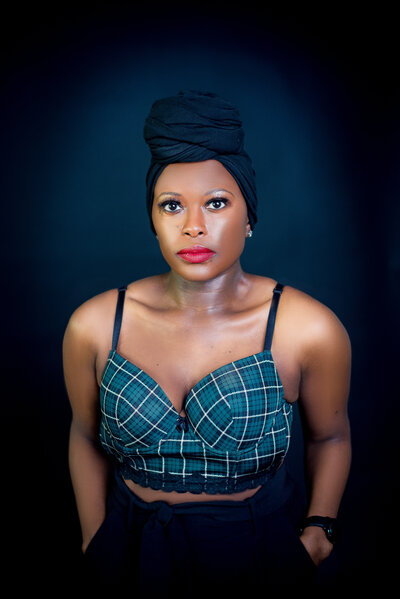

How to Invest in Podcast Equipment vs. Keep It Lean
If you have ever fallen down the rabbit hole of podcast gear reviews, you know how fast it gets overwhelming, and expensive. Suddenly you are convinced you need a $400 microphone, a mixer, an audio interface, studio foam, and a professional boom arm before you can record a single word.
Here is the reframe that will save you hundreds of dollars and a lot of stress: the goal is not the most equipment, or even the most expensive. The goal is the right equipment for where you are right now. Some gear is genuinely worth investing in early because it directly affects how you sound. Other gear is a “someday” upgrade you absolutely do not need to launch.
Let me walk you through how to tell the difference, so you can keep your setup lean where it makes sense and invest where it actually counts.
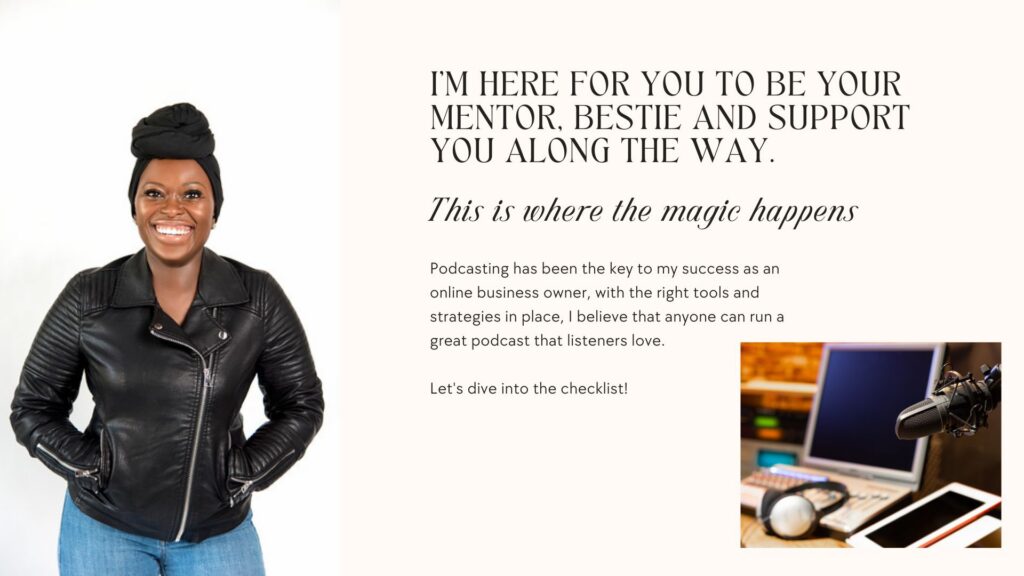
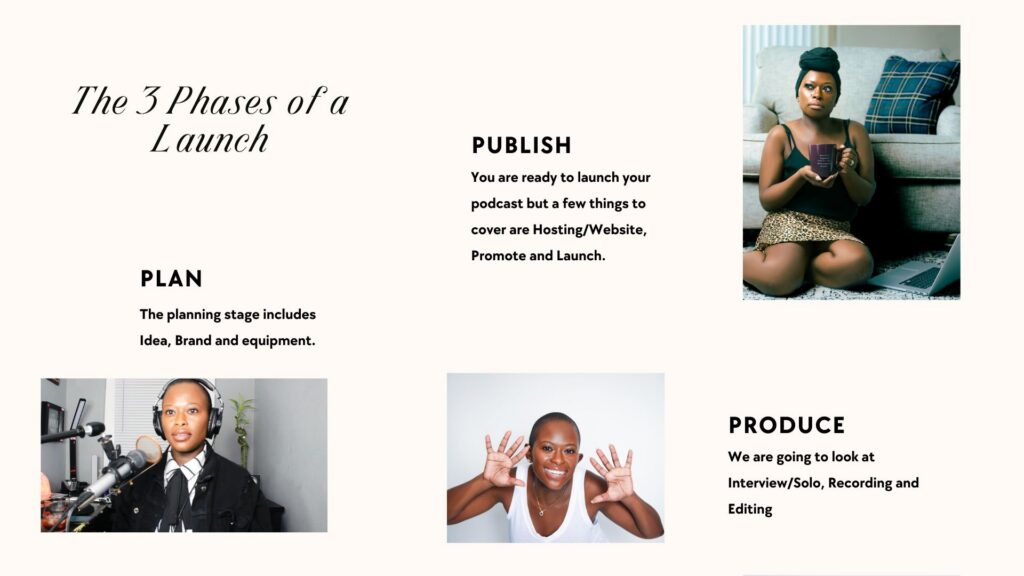
Grab the checklist featured above → Free checklist
Or see all free resources → Free Resources
The One Rule That Decides Everything
Before any shopping, internalize this principle, repeated by gear experts across the board, including Choppity: you do not need expensive equipment to start a podcast, because audio quality depends more on microphone placement, room acoustics, and editing than on the price of the mic.
As Voice123 bluntly puts it, a properly positioned $100 microphone in a decent room will often sound better than a poorly used $500 microphone. That single idea should guide every spending decision you make. Technique and environment are free (or nearly so) and matter enormously. Expensive gear cannot rescue bad habits.
So the smartest “investment” you can make early costs nothing: record in a small, soft room (a closet full of clothes is a legendary podcaster trick), get close to your mic, and learn to do a clean edit. Nail those, and modest gear will sound shockingly good.
What’s Actually Worth Investing In Early
There is really only one piece of equipment worth prioritizing from day one: your microphone. It is the single biggest factor in your sound that gear can influence, and upgrading from a laptop’s built-in mic or a cheap headset is a night-and-day difference.
But “invest in your mic” does not mean “buy the most expensive one.” It means buy a good, reliable mic, and for most new podcasters, that lands in a very affordable range. The widely recommended starter microphone is the Samson Q2U (often around $60–$70), praised by everyone from The Podcast Host to independent reviewers because it offers both USB and XLR connections. Its close cousin, the Audio-Technica ATR2100x, is just as well regarded. Both let you start simply over USB today and grow into a more advanced setup later, without rebuying a mic.
A microphone that grows with you is the definition of a smart early investment: low cost now, no wasted money later.
USB vs. XLR: The Decision That Sets Your Budget
Most of your “invest or stay lean” question comes down to one fork in the road: USB or XLR.
A USB microphone plugs directly into your computer and works right out of the box, no extra gear required. This is the lean path, and for the vast majority of new podcasters it is the right one. USB mics today are excellent, and as The Podcast Host notes, the old idea that USB is “only for amateurs” is long gone, many now rival professional XLR setups.
An XLR microphone, by contrast, cannot plug into your computer alone. It requires additional equipment, an audio interface, mixer, or digital recorder, to function. That means more money, more cables, and more of a learning curve. XLR offers more control and scalability for multi-person shows and advanced production, but it is an investment you make when you have a reason to, not before.
The beautiful middle path is a hybrid USB/XLR mic like the Q2U or ATR2100x: start lean on USB, and switch to XLR only if and when your show outgrows it.
Dynamic vs. Condenser: Pick the One That Fits Your Room
One more choice affects your sound, and your budget for room treatment: the type of microphone.
A dynamic microphone is less sensitive and naturally rejects background noise, echo, and keyboard clatter. As Voice123 explains, this makes dynamic mics the safer, more forgiving choice for most home setups, and it means you can keep things lean without an acoustically treated studio.
A condenser microphone captures more crisp detail, but it is far more sensitive, picking up every echo, fan hum, and passing car. Condensers shine in a treated room and can sound harsh in an untreated one. So unless you have a quiet, soft space, a dynamic mic will save you both money and headaches. (Worth noting: the popular Blue Yeti, around $130, is a condenser, lovely sound, but it rewards a quiet room.)
The Gear You Can Skip (For Now)
Here is where you keep it lean. The following are real upgrades, but none are required to launch a professional-sounding show:
- Mixers and audio interfaces: only needed for XLR mics or multi-mic setups. Skip until you go XLR.
- Expensive boom arms and shock mounts: a sturdy desk stand (often included with your mic) is perfectly fine to start.
- Studio foam and acoustic panels: a soft, small room does most of this work for free.
- Premium broadcast mics (like the ~$400 Shure SM7B): iconic, yes, but total overkill for a new show. The mics above will take you to a six- or even seven-figure audience, per The Podcast Host.
- Paid editing software: free tools like Audacity and GarageBand are more than enough at the start.
A few cheap items are worth grabbing, though: a pop filter (tames harsh “p” sounds, often under $15) and a basic pair of headphones so you can monitor your audio. Small spend, real difference.
A Simple Spending Roadmap
Here is how to stage your investment so every dollar earns its place:
Launch (lean): A hybrid USB/XLR dynamic mic like the Samson Q2U, a pop filter, the desk stand it comes with, headphones you may already own, and free recording software. You can be recording quality audio for well under $100.
Growing: Once you are consistent and seeing traction, consider a boom arm for comfort, a slightly higher-end mic if you have outgrown your first, and perhaps paid editing or hosting tools that save you time.
Established: If you add co-hosts or in-studio guests, now an XLR setup with an interface or a recorder (like a Zoom H-series) makes sense. This is also the stage where studio treatment and premium mics start to pay off.
Notice the pattern: you invest after the need is proven, not in anticipation of it. That is how you avoid a closet full of expensive gear for a show that fizzled, exactly the kind of cost that contributes to people quitting. (If you are weighing bigger space decisions, my post Is Renting a Podcast Studio Worth It? walks through the trade-offs.)
Remember Why You Started
Most people do not start a podcast because they love audio engineering. They start because they have something to say. Do not let gear become the obstacle that keeps your voice silent. The “perfect” setup you are waiting to afford is almost never what stands between you and a great show, consistency and clarity are.
Start lean, sound great with what you have, and upgrade thoughtfully as your show, and your income, grow. Your message matters far more than your microphone’s price tag. (And if turning that message into a show feels daunting, my post on how to transform your knowledge into a podcast is a great next read.)
Frequently Asked Questions
Do you need expensive equipment to start a podcast? No. Many successful podcasters started with a budget USB microphone under $100. Audio quality depends more on microphone placement, room acoustics, and editing than on how much your gear costs.
What is the best budget podcast microphone? A widely recommended starter is the Samson Q2U (often around $60–$70), with the Audio-Technica ATR2100x as a close alternative. Both are dynamic mics that work over USB and XLR, so you can start simply and upgrade later without rebuying.
Should I use a USB or XLR microphone? USB is the lean path, it plugs straight into your computer and works out of the box, ideal for most beginners and solo shows. XLR offers more control and scalability but requires an audio interface or mixer, so it is a “when you need it” investment. Hybrid USB/XLR mics let you start USB and grow into XLR.
What podcast equipment do beginners actually need? A good dynamic microphone, a cheap pop filter, the desk stand that usually comes with the mic, a pair of headphones, and free recording software like Audacity or GarageBand. You can skip mixers, premium boom arms, acoustic foam, and high-end broadcast mics until your show grows.
Key Takeaways
- The right gear beats the most gear. Placement, room acoustics, and editing affect your sound more than a mic’s price.
- Invest early in one thing: a good microphone, but “good” usually means an affordable, reliable hybrid like the Samson Q2U or ATR2100x, not a $400 broadcast mic.
- USB is the lean path and works right out of the box; XLR requires extra equipment and is a “when you need it” investment. Hybrid mics let you start USB and grow into XLR.
- Choose a dynamic mic for most home setups, it rejects background noise and saves you from costly room treatment. Condensers need a quiet, treated space.
- Skip (for now): mixers, premium boom arms, acoustic foam, $400 mics, and paid editing software. Do grab a cheap pop filter and headphones.
- Invest after the need is proven, not before. Launch lean, then upgrade as your show and income grow.
Ready to Launch Without Breaking the Bank?
You do not need a fancy studio to start, you need a clear plan and a little guidance. That is where I come in.
- Grab my free resources. The free Podcast Bootcamp Launch Checklist walks you through launching the smart way. Browse all my free resources here.
- Get on the ebook waitlist. My new ebook, Find Your Voice: The Woman Behind the Mic, includes a full equipment and recording breakdown, affordable options and what actually matters, plus the whole launch roadmap. Launching July 1, 2026 for $67, join the waitlist here.
- Join my free webinar. Learn how to launch a professional podcast without a huge budget. Reserve your seat here.
- Work with me one-on-one. Want help choosing exactly the right setup for your voice and your goals? My podcast coaching takes the guesswork out of it.
Your voice is the only thing you truly cannot buy. Let us get it out into the world.
Sources
Outside sources:
- The Podcast Host — The Best Podcasting Microphones on the Market: https://www.thepodcasthost.com/equipment/the-best-podcasting-microphones-on-the-market/
- The Podcast Host — Best USB Microphones for Podcasters: https://www.thepodcasthost.com/equipment/best-usb-microphones-roundup-podcasters/
- Voice123 — The Best Microphones for Podcasting: USB vs XLR: https://voice123.com/blog/the-voice-over-industry/best-microphones-for-podcasting/
- Choppity — Best Podcast Microphones in 2026: https://www.choppity.com/blog/best-podcast-microphones-in-2026
- MusicRadar — Best Podcasting Microphones 2026: https://www.musicradar.com/news/best-podcasting-microphones
From the Sherley’s Show business section:
- Is Renting a Podcast Studio Worth It? Pros and Cons: https://sherleysshow.com/is-renting-a-podcast-studio-worth-it-pros-and-cons/
- How to Transform Your Knowledge into a Podcast: https://sherleysshow.com/how-to-transform-your-knowledg
Sherley’s Show is learning and growing every single day. We aim to uplift all marginalized voices both on this podcast and in real life. Please note that we are always striving to change the problematic language that society has internalized in us. Thank you for your patience as we aim to strip certain phrases from our vocabulary.
Would you like to be a guest
Are you interested in getting your opinion out about a particular topic but don’t know how to do so? If so, here is an opportunity to do so to share your point of view, PLUS get your message and voice out there. It is always a great way to know about different perspectives and enrich ourselves through knowledge sharing.
Submit your relationship question.
Sherley’s Show provides an atmosphere where every woman is comfortable growing into their best self. Sherley’s Show is a no judgment podcast where we discuss how to rise strong out of all types of obstacles that come with relationships. Through personal life experiences and discussions ranging from infidelity, trust, forgiveness, sex, heartbreak, self love, therapy and more, we offer words of empowerment as you strive to build and maintain all of the relationships in your life. You may be going through something that is unique and difficult. Sharing your story gives others comfort and could also be helping someone else. Let them know they are not alone. Everyone has a story, do not let fear hold you back.
Disclosure: This post contains affiliate links, I will get a commission if you decide to make a purchase through any of my links, at no cost to you. Please read my disclosure for more info.

Want to launch a podcast?
FRee Resource!
Download Sherley’s FREE Bootcamp Podcast Launch Checklist! The no-fluff, step-by-step roadmap for busy women ready to finally launch the podcast they’ve been dreaming about.
At Sherley's Show, we believe that when women feel seen and supported, anything is possible. Whether you're tuning in for inspiration, education, or community—you belong here.


next
say goodbye to being the side chick
When you find yourself really settling with the reality that you are the side chick, when you find yourself tired of the games and/or the complacency, it’s time to ask yourself a few questions.
next
why is therapy important?
Solo therapy, partnered therapy, or group therapy... what exactly are the benefits? If you’re still on the fence about whether or not you should go and if therapy can really do anything for you... this post is for you.
next
CONNECT
elsewhere:
STAY AWHILE AND READ
THE BLOG

BINGE
THE PODCAST
The place where we chat about obstacles that come out of relationships and how to rise up from them. Self-love, marriage, infidelity, sex, heartbreak, and more.
HANG OUT ON

Comments +