
The True Cost of Postponing Your Launch




The Real Cost of Waiting to Launch
Disclaimer: Sherley Troutman is not a licensed business consultant, attorney, or financial advisor, and this article is not intended as mental health guidance. The content here is for informational and educational purposes only, based on her personal experience coaching women through podcast launches. Please consult a qualified professional for advice specific to your business or personal circumstances.
“I’ll start when things settle down.” “I’ll start once I’m more confident.” “I’ll start after this next season at work.” I’ve heard some version of these sentences from more women than I could count, and I understand every one of them, because I’ve said versions of them myself. What I want to talk about honestly is what “waiting” actually costs — not to guilt anyone into moving faster, but because the cost is real and it’s rarely the one people picture when they imagine it.
I want to be clear about the spirit of this article before I get into it: this isn’t about manufacturing urgency or making anyone feel behind. Plenty of good, healthy reasons exist to wait, and I’ll get to those directly. What I’m interested in is the quieter, less examined version of waiting — the kind that isn’t really a decision about timing at all, but a way of avoiding a decision altogether while it feels like one is still being made.
This is also, not coincidentally, part of why the Trauma-to-Profit™ Methodology starts where it does. Recognize and Release come before anything about building or launching, because most waiting isn’t actually a scheduling problem. It’s an unfinished internal step wearing a scheduling problem’s clothes.
Waiting Doesn’t Feel Like a Decision — But It Is One
This is the part that’s easy to miss. Not launching doesn’t feel like choosing anything. It feels like a neutral, temporary state — a pause button, not a decision. But every week that passes without action is, functionally, a decision to stay exactly where you are. The idea doesn’t hold still while you wait for the right moment. It sits there, unchanged, while everything around it keeps moving — your energy for it, your window of relevance, your own belief that you’ll actually do it.
I say this gently, not as a scare tactic: “waiting for the right time” is one of the most common ways ambition quietly turns into regret, because it never announces itself as a choice. It just accumulates, one reasonable-sounding delay at a time, until enough time has passed that starting suddenly feels harder than it did at the beginning — which then becomes its own reason to wait longer.
What makes this pattern so hard to catch in real time is that each individual delay is genuinely reasonable on its own. Nobody decides, in one moment, to wait five years. They decide, over and over, to wait five more weeks — and each of those decisions makes complete sense in isolation. It’s only in hindsight that the pattern becomes visible.
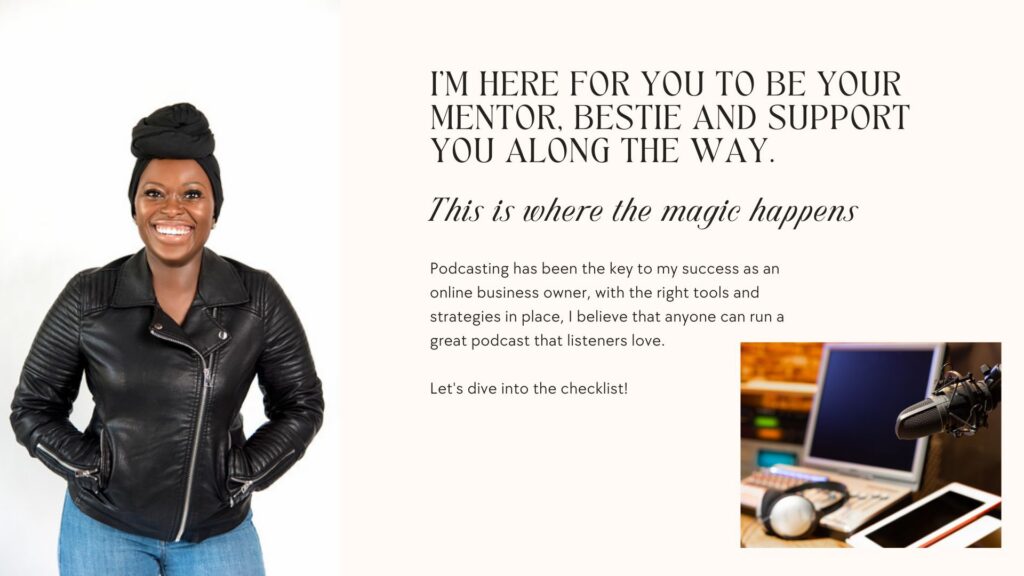
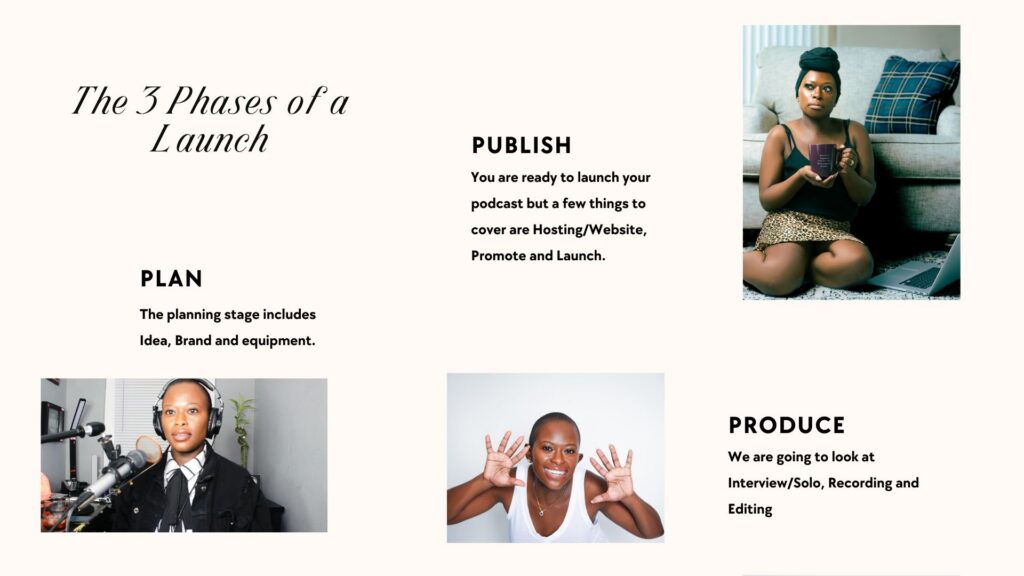
Grab the checklist featured above → Free checklist
Or see all free resources → Free Resources
The Cost That’s Easy to See
The most obvious cost of waiting is the lost time itself — months or years where the platform simply didn’t exist, where the expertise stayed private instead of reaching the people who needed it. That cost is real, but it’s also the least interesting one, because it’s abstract. “Lost time” doesn’t feel urgent in the moment the way a deadline does.
The more concrete version of this cost shows up when you think about who else has been building during the time you’ve been waiting. Not to create anxiety about competition — there’s room for more than one voice in any field — but simply as an honest observation: the conversation you were going to start is often already happening, being led by someone who started when you were still deciding. That doesn’t mean your voice doesn’t matter anymore. It means waiting doesn’t preserve your opportunity in amber. The landscape keeps moving whether you’re in it or not.
There’s a version of this cost that’s easiest to see in hindsight rather than in the moment. Women who eventually do launch after a long wait often say some version of the same thing: they wish they’d started with the version of themselves they had two years earlier, imperfect and less experienced, rather than waiting for a more polished version that never quite arrived. The two-years-ago version wasn’t actually less ready. She just hadn’t been told that yet.
The Cost That’s Harder to See
The quieter cost is what waiting does to your relationship with the idea itself. An idea you’ve been sitting on for a long time accumulates weight the longer it goes unstarted — it stops feeling like an exciting possibility and starts feeling like unfinished business, something you’re failing to do rather than something you’re free to begin. That shift is subtle, but it changes the emotional experience of the idea from motivating to heavy, and heavy ideas are much harder to actually start than exciting ones.
There’s also a cost to your own self-trust. Every time “I’ll start soon” doesn’t turn into starting, it reinforces a quiet story that you’re someone who doesn’t follow through on things that matter to you. That story isn’t true — most of the women I work with are exceptionally disciplined in every other part of their lives — but repetition builds belief regardless of accuracy. The longer the gap between deciding and doing, the more that particular story gets reinforced, which makes the next attempt to start feel even harder than the first one would have.
This is the cost I actually think about the most, because it compounds quietly and rarely gets named. Losing time is straightforward to understand. Losing trust in your own follow-through is harder to see happening, and harder to undo once it’s settled in — which is exactly why it deserves to be named directly rather than left as background noise. The good news is that this particular cost is also the most reversible of the three. Self-trust rebuilds quickly once you actually follow through on something real — often faster than the doubt took to build in the first place.
Why “The Right Time” Rarely Arrives on Its Own
Most women waiting for the right time are actually waiting for a feeling — certainty, confidence, a sense that all the pieces have aligned. The uncomfortable truth is that feeling tends to arrive after you start, not before. It’s generated by action: the first episode published, the first piece of feedback, the first small proof that the fear was bigger than the reality. Waiting for the feeling to show up first is waiting for something that’s downstream of the very thing you’re postponing.
This isn’t a call to ignore genuine, practical reasons to wait — a real season of family crisis, a genuinely overwhelming stretch at work, actual bandwidth constraints are legitimate reasons to delay, and being honest about those is different from indefinite, vague postponement. The distinction worth being honest with yourself about is whether you’re waiting for a specific, nameable circumstance to change, or waiting for a feeling that experience suggests won’t show up until after you’ve already started.
A useful test: can you name the exact circumstance you’re waiting to change, and would you actually recognize it clearly when it happens? “I’ll start once things calm down” usually fails that test, because “calm” rarely arrives as a clearly marked moment — it’s a feeling, not an event, and feelings are notoriously bad finish lines. “I’ll start once my daughter finishes this school year” passes the test, because it’s a real date on a real calendar.
If your reason for waiting doesn’t pass that test — if you genuinely can’t picture the specific moment that would tell you it’s time — that’s usually the clearest sign the wait isn’t really about timing at all. It’s worth sitting with that honestly rather than reaching for a new version of the same vague deadline.
What Starting Actually Requires
Not certainty. Not a fully resolved sense of readiness. It requires a container — a real timeline, real accountability, a structure that makes starting the default rather than something you have to will into existence from scratch every single day. That’s true whether the container is a self-imposed deadline you actually keep, a coach, or a structured program. The specific vehicle matters less than the fact that a container exists at all, because open-ended intentions are, by nature, easy to defer indefinitely.
If you’ve been circling an idea for a while and recognize yourself in any part of this article, the honest next step usually isn’t more research or more certainty-gathering. It’s picking a container — any real one — and letting the structure do the work that willpower alone hasn’t been able to do.
None of this requires the loudest possible leap. It just requires an actual deadline replacing a vague someday — because someday, by definition, never arrives on the calendar. Only specific dates do.
If You’ve Been Waiting a Long Time
If you’re reading this and it’s been years, not months, since the idea first showed up — I want to say plainly that this isn’t a reason for shame, and shame is not a useful engine for finally starting anyway. Long waits usually mean the idea mattered enough to keep resurfacing despite everything working against it: fear, timing, bandwidth, self-doubt. An idea that easy to abandon would have been abandoned already. The fact that it’s still here, years later, still occupying real space in your head, is itself information worth taking seriously.
The goal isn’t to make up for lost time by moving faster than makes sense, or by beating yourself up retroactively for the years that passed. It’s simply to notice that the pattern which has held so far — waiting for a feeling, a circumstance, a version of readiness that hasn’t shown up yet — isn’t likely to resolve itself differently going forward unless something concrete changes. Usually, that something is a container, not more time.
Key Takeaways
✓ Waiting to launch isn’t a neutral pause — it’s a decision, even though it rarely feels like one in the moment.
✓ The visible cost of waiting is lost time; the quieter cost is what it does to your relationship with the idea and your own self-trust.
✓ The feeling of being ‘ready’ typically follows action rather than preceding it — waiting for certainty first usually means waiting indefinitely.
✓ Genuine, specific reasons to delay are different from vague, open-ended postponement — it’s worth being honest with yourself about which one you’re in.
✓ Starting rarely requires more certainty. It requires a real container — a deadline, accountability, or structure — that makes starting the default rather than a daily act of willpower.
Ready to Build the Container You’ve Been Missing
The resources below are for women ready to stop waiting and start building.
→ Explore the Trauma-to-Profit™ Methodology
→ Get the eBook: Find Your Voice: The Woman Behind the Mic
→ Book a 1:1 Clarity Consultation
→ Browse More Business Articles
Be Yourself. Voice Yourself. Love Yourself.
Sherley’s Show is learning and growing every single day. We aim to uplift all marginalized voices both on this podcast and in real life. Please note that we are always striving to change the problematic language that society has internalized in us. Thank you for your patience as we aim to strip certain phrases from our vocabulary.
Would you like to be a guest
Are you interested in getting your opinion out about a particular topic but don’t know how to do so? If so, here is an opportunity to do so to share your point of view, PLUS get your message and voice out there. It is always a great way to know about different perspectives and enrich ourselves through knowledge sharing.
Submit your relationship question.
Sherley’s Show provides an atmosphere where every woman is comfortable growing into their best self. Sherley’s Show is a no judgment podcast where we discuss how to rise strong out of all types of obstacles that come with relationships. Through personal life experiences and discussions ranging from infidelity, trust, forgiveness, sex, heartbreak, self love, therapy and more, we offer words of empowerment as you strive to build and maintain all of the relationships in your life. You may be going through something that is unique and difficult. Sharing your story gives others comfort and could also be helping someone else. Let them know they are not alone. Everyone has a story, do not let fear hold you back.
Disclosure: This post contains affiliate links, I will get a commission if you decide to make a purchase through any of my links, at no cost to you. Please read my disclosure for more info.

Want to launch a podcast?
FRee Resource!
Download Sherley’s FREE Bootcamp Podcast Launch Checklist! The no-fluff, step-by-step roadmap for busy women ready to finally launch the podcast they’ve been dreaming about.
At Sherley's Show, we believe that when women feel seen and supported, anything is possible. Whether you're tuning in for inspiration, education, or community—you belong here.



next

say goodbye to being the side chick
When you find yourself really settling with the reality that you are the side chick, when you find yourself tired of the games and/or the complacency, it’s time to ask yourself a few questions.
next

why is therapy important?
Solo therapy, partnered therapy, or group therapy... what exactly are the benefits? If you’re still on the fence about whether or not you should go and if therapy can really do anything for you... this post is for you.
next
CONNECT
elsewhere:

STAY AWHILE AND READ
THE BLOG

BINGE
THE PODCAST
The place where we chat about obstacles that come out of relationships and how to rise up from them. Self-love, marriage, infidelity, sex, heartbreak, and more.

HANG OUT ON

Comments +