
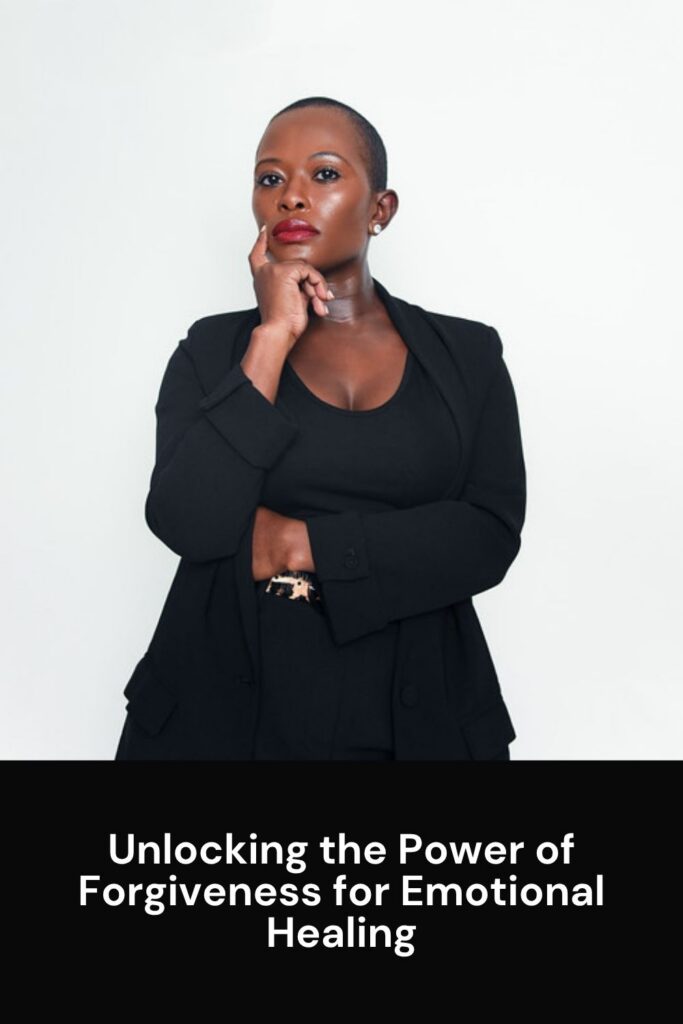
Unlocking the Power of Forgiveness for Emotional Healing




Why Forgiveness Is the Key to Healing, Peace, and Personal Freedom
This content is shared for storytelling, educational, and entertainment purposes only and is not a substitute for professional counseling or therapy.
To hear this conversation in real time, listen to the full episode. Make sure you tune into the show. You’ll get all the raw, unfiltered moments and deeper insights.
Femme Parler Podcast was rebranded in 2025 and is now Sherley’s Show
Podcast Blog post: Why Forgive
Forgiveness is one of the most powerful yet misunderstood parts of personal growth, emotional healing, and self-development. It comes up often in conversations about healing, relationships, and mental wellness. Yet, practicing it is one of the hardest things for people to do. On Sherley’s Show, we had a real, honest, and unfiltered conversation about forgiveness. We discussed what it truly means. We explored why it is essential for healing. We also examined why many people struggle with letting go of resentment. The truth is, forgiveness is not just a simple act or a one-time decision. It is a process. It is a mindset. It is a powerful tool. It can completely transform your life when you understand it correctly.
Forgiveness is often defined as a conscious, deliberate decision. It involves releasing feelings of hurt, anger, and resentment toward someone who has wronged you. This happens regardless of whether they deserve your forgiveness or not. That definition alone can be challenging to accept because many people feel that forgiveness should be earned. We are conditioned to believe that if someone hurts us, they must apologize. They must take accountability or somehow “make it right” before we can even consider forgiving them. But what if forgiveness is not about them at all? What if forgiveness is actually about your healing, your peace, and your ability to move ahead without carrying emotional baggage?
Also listen to: How to Thrive in Long-Term Relationships
Many people find themselves stuck in a cycle. They keep replaying painful situations. They hold onto anger and question why something happened to them. They ask themselves questions like, “Why should I forgive someone who hurt me?” or “Do they even deserve my forgiveness?” These are real and valid questions, but they often come from a place of pain rather than understanding. The reality is, when you hold onto unforgiveness, you are not punishing the other person. In fact, most of the time, they are not even thinking about the situation the way you are. Instead, you are the one carrying the emotional weight, reliving the experience, and allowing it to impact your current life.
There is a powerful quote that says, “To forgive is to set the prisoner free.” When you do, you discover the prisoner was you. This quote speaks directly to the concept of emotional healing and mental freedom. At first, you will find it hard to accept that you are the one held captive. Someone else caused the pain. But, when you take a deeper look, it becomes clear. When you hold onto resentment, you are mentally tied to that experience. You replay conversations, you relive emotions, and you carry that energy into new situations. This can affect your relationships, your mindset, and even your ability to trust others. Forgiveness, on the other hand, breaks that cycle. It lets you release the emotional hold that the situation has on you. This gives you the freedom to move ahead.
A major misconception about forgiveness is that it means accepting what happened. It also mistakenly implies allowing the person back into your life. This misunderstanding prevents many people from even considering forgiveness as a choice. The truth is, forgiveness does not mean acceptance, and it does not need reconciliation. You can forgive someone and still choose to distance yourself from them. You can forgive someone and still set clear and firm boundaries. You can forgive someone and still decide that they no longer deserve access to your life. Forgiveness is not about restoring the relationship; it is about restoring your peace.
Another important aspect of forgiveness is understanding that it is a choice, not a feeling. Many people wait until they “feel ready” to forgive. The truth is, that feeling never comes on its own. Emotions are often tied to the pain of the situation. They can keep you stuck if you rely on them to guide your decision. Forgiveness requires you to make a conscious choice to release the hurt, even when it is difficult. It requires you to place your healing over your wish to hold onto the pain. This is not easy, and it does not happen overnight, but it is a necessary step in the healing process.
The reason forgiveness is so difficult is because pain is real, and it can run deep. When someone hurts you, especially someone you love or trust, it can create emotional wounds that take time to heal. You may feel betrayed, disrespected, or even broken by what happened. These feelings are valid, and they should not be ignored. Still, holding onto those feelings without addressing them can lead to long-term emotional distress. Unforgiveness can show up in different ways, like anger, bitterness, anxiety, and even depression. It can affect your mental health, your relationships, and your overall quality of life.
Forgiveness plays a crucial role in emotional healing. It helps you release the negative energy linked to the experience. It is not about forgetting what happened or pretending that it did not hurt. Instead, it is about acknowledging the pain, processing it, and choosing to let it go. This process can take time, and it needs self-reflection, journaling, or even professional support. In some cases, especially those involving trauma or abuse, therapy can be an important part of the healing journey. There is no shame in seeking help, and there is no timeline for when you should be “over it.” Healing is personal, and it looks different for everyone.
Forgiveness is not limited to romantic relationships. It applies to all areas of life, including friendships, family relationships, and even workplace dynamics. At some point, everyone will experience situations where forgiveness is necessary. People make mistakes, say things they do not mean, and sometimes act out of their own pain. While this does not excuse their behavior, it does highlight the importance of understanding that no one is perfect. The question is not whether you will be hurt, but how you will respond when it happens. Will you allow it to consume you, or will you choose to release it and move forward?
Self-reflection is an important part of the forgiveness process. It allows you to examine your thoughts, emotions, and reactions to the situation. Sometimes, we hold onto anger because it feels justified. We feel like letting go means we are minimizing what happened or allowing the person to “win.” Nevertheless, forgiveness is not about winning or losing. It is about freeing yourself from the emotional burden that you have been carrying. When you take the time to reflect on unforgiveness, you may realize the negative impact on your life. You may begin to see that holding onto it does more harm than good.
Another important point to consider is that forgiveness does not remove accountability. People should still be held responsible for their actions. Forgiveness does not mean that you ignore or excuse what happened. Yet, your healing should not depend on whether or not the other person takes responsibility. Waiting for an apology or acknowledgment can keep you stuck in a place and, preventing you from moving ahead. Sometimes, closure is something you have to create for yourself. It comes from within, not from the other person.
Unforgiveness can have a ripple effect on different areas of your life. It can impact your ability to trust, your willingness to be vulnerable, and your overall outlook on relationships. You may find yourself becoming more guarded, more reactive, or less open to new experiences. This is why forgiveness is such an important part of personal growth. It lets you break free from the patterns that are holding you back. It also creates space for new, healthier experiences.
Forgiveness also sets an example for those around you, especially children. As adults, we often teach children the importance of saying sorry, being kind, and forgiving others. Yet, children learn more from what they see than what they are told. If they notice unresolved conflict, lack of accountability, or constant resentment, they are likely to adopt those behaviors. Practicing forgiveness in your own life not only benefits you but also sets a positive example for others.
At its core, forgiveness is about choosing yourself. It is about deciding that your peace and healing are more important than holding onto past pain. Your future matters more than clinging to the hurt you’ve experienced. It is about reclaiming your power and taking control of your emotional well-being. This does not mean that the process will be easy or that you will not have moments of struggle. There may be times when you feel like you have forgiven, only to find yourself triggered again. This is a normal part of the healing process, and it does not mean that you have failed. It simply means that there is still work to be done.
When you begin to shift your perspective on forgiveness, you may start to see it as an act of self-love. You may realize it’s not something you are doing for someone else. It becomes less about the other person and more about your own growth and well-being. This shift can be incredibly empowering. It allows you to take ownership of your healing journey. You can make choices that support your overall happiness.
As you reflect on everything that has been shared, take a moment to think about your own life. Is there someone you are holding onto unforgiveness toward? Is there a situation that still brings up feelings of anger or resentment? How is that affecting your life, your relationships, and your mental health? What would it feel like to release that weight and move forward with a sense of peace and clarity? These are important questions to consider as you continue on your healing journey.
Forgiveness is not a one-time event; it is a continuous process. It requires patience, intention, and a willingness to grow. It may not happen overnight, and it may not be easy, but it is worth it. The freedom, peace, and clarity that come from letting go of resentment can have a profound impact on your life. It allows you to show up as your best self. It helps you build healthier relationships. It lets you create a future that is not defined by your past.
Takeaways:
- Forgiveness is a conscious decision that supports emotional healing and personal growth
- Forgiveness is about your peace, not the other person’s actions
- You can forgive someone without accepting their behavior or allowing them back into your life
- Holding onto resentment negatively impacts your mental health and relationships
- Forgiveness is a process that takes time and self-reflection
- Healing from pain requires releasing emotional attachment to past experiences
- Forgiveness is a powerful step in reclaiming your personal freedom and peace
Call to Action:
- Take a moment to identify a situation or person you need to forgive
- Start journaling your thoughts and emotions around that experience
- Make the intentional choice to start your forgiveness and healing journey
- Focus on your mental health and emotional well-being
- Listen to the full conversation on Sherley’s Show for deeper insight on forgiveness and healing
- Share this blog post with someone who may be struggling with letting go and needs encouragement
Forgiveness is not easy, but it is necessary for true healing, personal growth, and emotional freedom. It is the bridge between pain and peace. It releases emotional weight. It is the pathway to becoming the best version of yourself. When you choose forgiveness, you are not just letting go of the past. You are making room for a healthier, more peaceful future.
If this resonated with you, follow Sherley’s Show. It offers more real conversations about relationships, growth, and using your voice.
Sherley’s Show is learning and growing every single day. We aim to uplift all marginalized voices both on this podcast and in real life. Please note that we are always striving to change the problematic language that society has internalized in us. Thank you for your patience as we aim to strip certain phrases from our vocabulary.
Would you like to be a guest?
Are you interested in getting your opinion out about a particular topic but don’t know how to do so? If so, here is an opportunity to do so to share your point of view, PLUS get your message and voice out there. It is always a great way to know about different perspectives and enrich ourselves through knowledge sharing.
Submit your relationship question.
Sherley’s Show provides an atmosphere where every woman is comfortable growing into their best self. Sherley’s Show is a no judgment podcast where we discuss how to rise strong out of all types of obstacles that come with relationships. Through personal life experiences and discussions ranging from infidelity, trust, forgiveness, sex, heartbreak, self love, therapy and more, we offer words of empowerment as you strive to build and maintain all of the relationships in your life. You may be going through something that is unique and difficult. Sharing your story gives others comfort and could also be helping someone else. Let them know they are not alone. Everyone has a story, do not let fear hold you back.
Disclosure: This post contains affiliate links, I will get a commission if you decide to make a purchase through any of my links, at no cost to you. Please read my disclosure for more info.

Want to launch a podcast?
FRee Resource!
Download Sherley’s FREE Bootcamp Podcast Launch Checklist! The no-fluff, step-by-step roadmap for busy women ready to finally launch the podcast they’ve been dreaming about.
At Sherley's Show, we believe that when women feel seen and supported, anything is possible. Whether you're tuning in for inspiration, education, or community—you belong here.



next

say goodbye to being the side chick
When you find yourself really settling with the reality that you are the side chick, when you find yourself tired of the games and/or the complacency, it’s time to ask yourself a few questions.
next

why is therapy important?
Solo therapy, partnered therapy, or group therapy... what exactly are the benefits? If you’re still on the fence about whether or not you should go and if therapy can really do anything for you... this post is for you.
next
CONNECT
elsewhere:

STAY AWHILE AND READ
THE BLOG

BINGE
THE PODCAST
The place where we chat about obstacles that come out of relationships and how to rise up from them. Self-love, marriage, infidelity, sex, heartbreak, and more.

HANG OUT ON

Comments +